
All rights reserved to the presidency Copyright © 2020


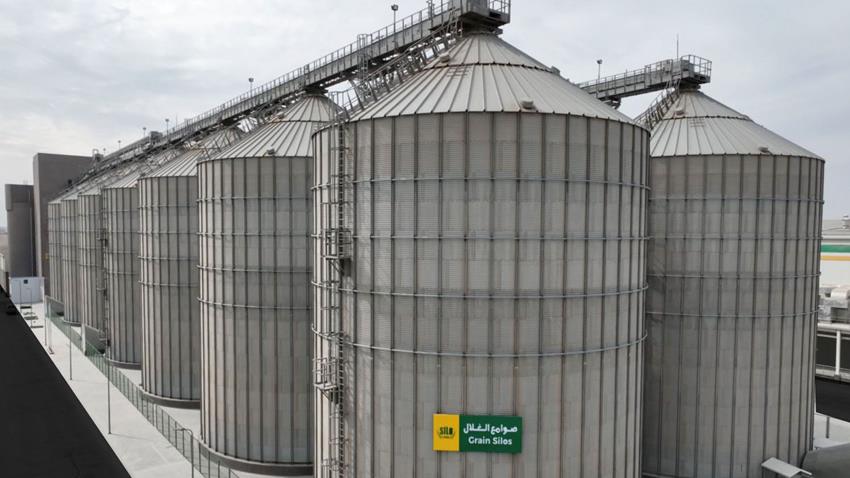
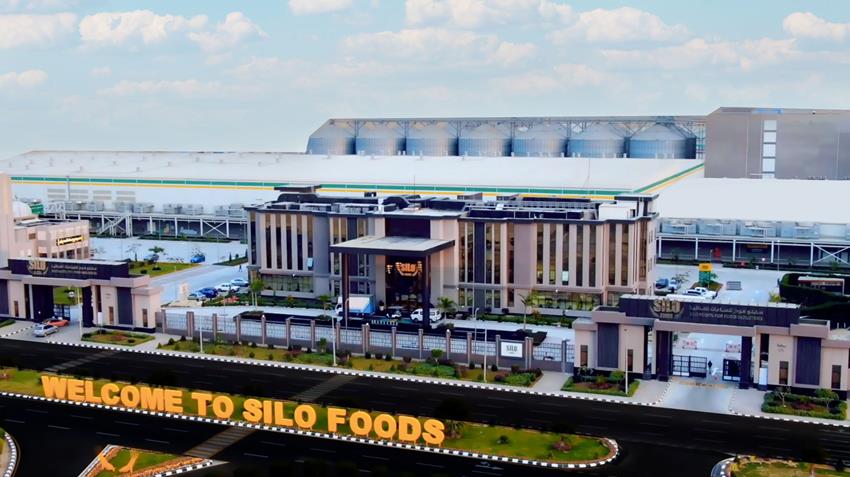
Silo Food is an industrial city which covers an area of 714,000 square meters, with a production capacity of 750 thousand tons. The first phase of the project opened in August 2021.
Goals:
Meeting school nutrition requirements.
Exporting company products.
Contributing to preventing monopoly practices.
Producing large quantities of high-quality basic goods at competitive prices.
Providing thousands of new job opportunities.
The second phase consists of the following:
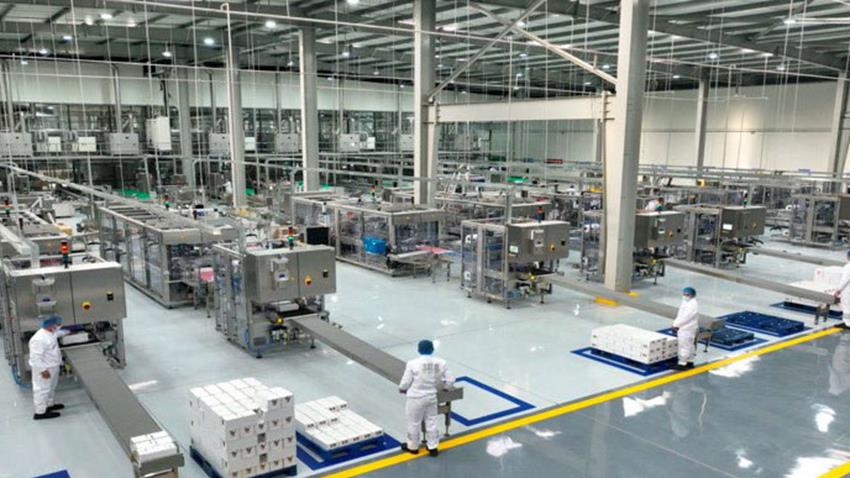
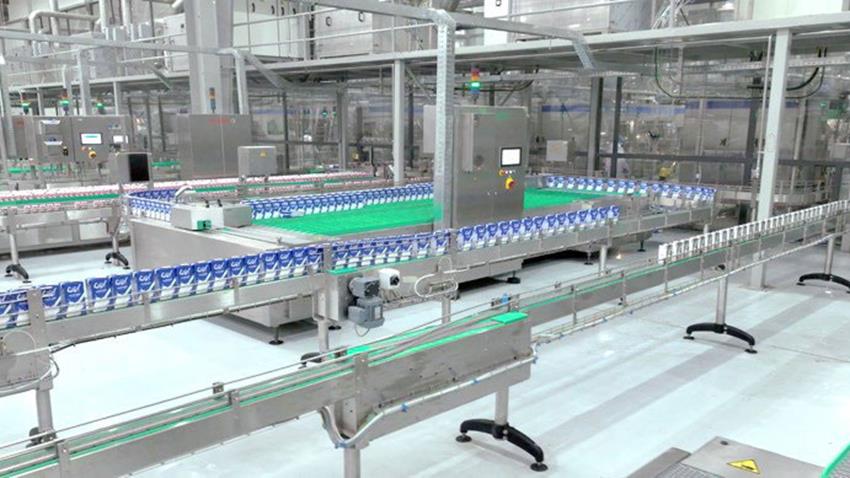
- Dairy Products Factory, with a total of 9 production lines (production capacity is 200,000 tons per year).
- Halawa and Tahini Factory, with a total of 5 production lines (production capacity is 16,000 tons per year).
- Biscuit Factory, with a total of 2 production lines (production capacity is 7800 tons per year). The factory aims at locally producing high-quality products.
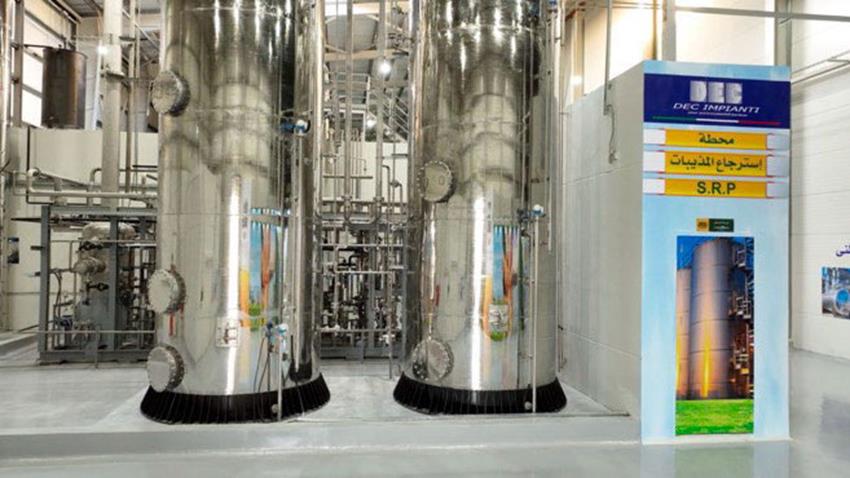
- Solvent Recovery Plant, which contributes to preserving the environment.
- A central laboratory for testing samples (40,000 samples per year). The laboratory is approved by the Egyptian Accreditation Council (EGAC).
- Carton Factory whose production capacity is 26,000 tons per year.
- Solvent Recycling Factory which produces 1200 tons per year. It is aiming for a 95% recycling rate.
Project importance:
- Acting as an integrated industrial example to be followed in terms of integrated supply chains.
- Meeting the needs of the local market and exports.
- Providing safe and healthy meals for school students.
- Increasing the supply of baked goods and all types of bread, thus contributing to increasing production and lowering prices.
- Increasing strategic reserve of pasta, locally, and exporting it to neighboring countries.
- Increasing competition, thus helping prices go down.
- Achieving integration with Qaha- Edfina, another industrial complex.
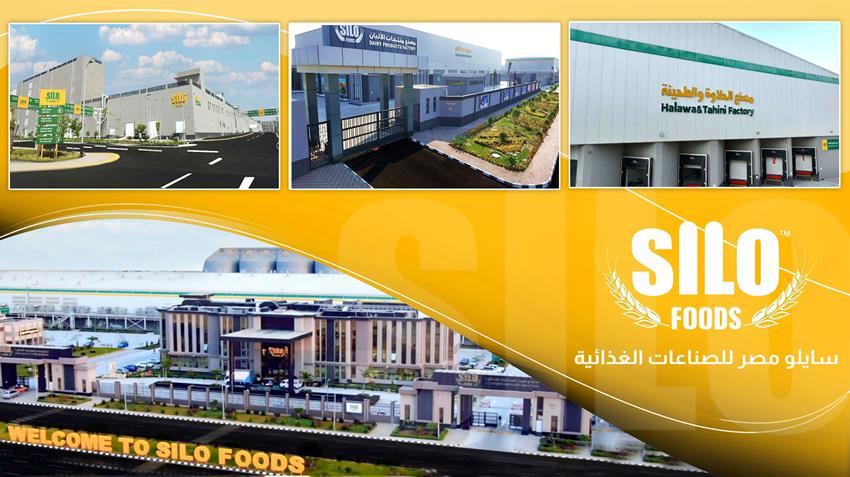
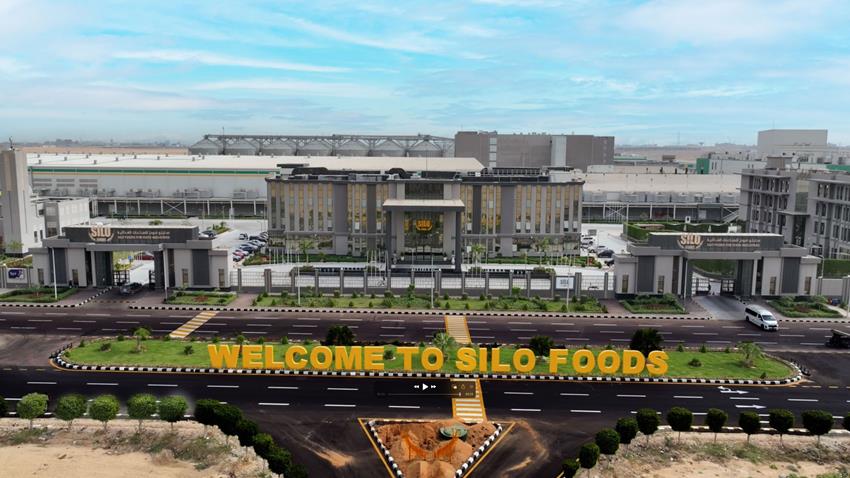
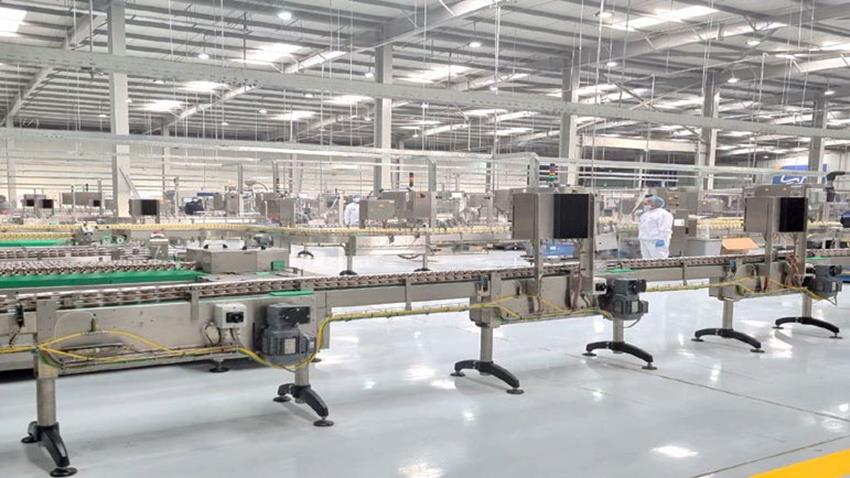
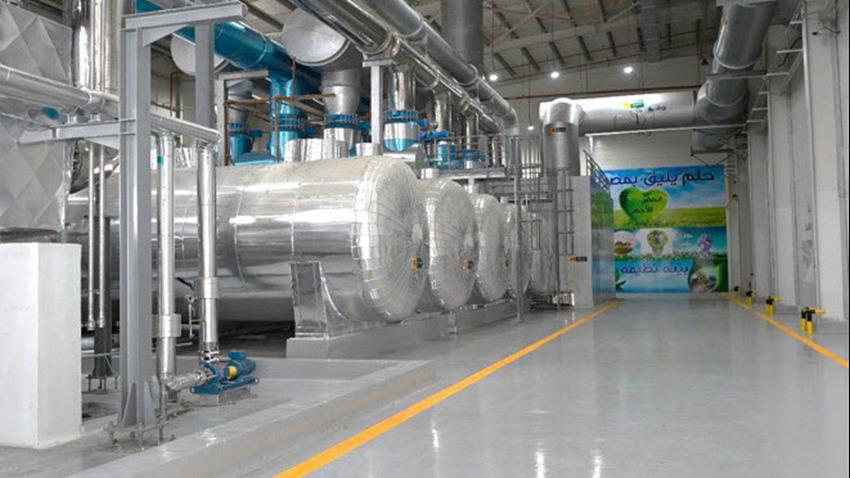
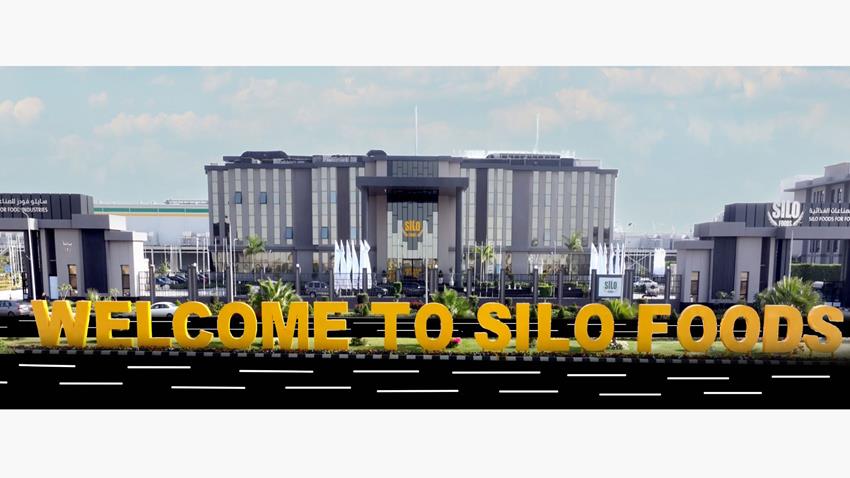
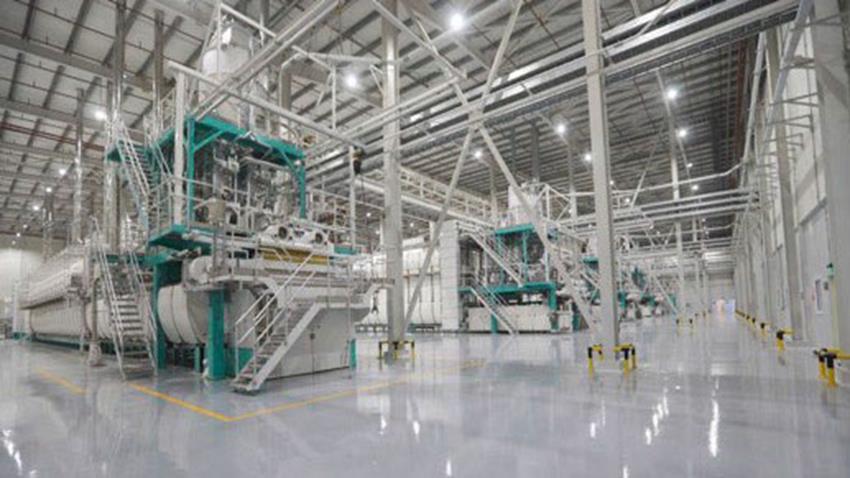
Silo Food is an industrial city which covers an area of 714,000 square meters, with a production capacity of 750 thousand tons. The first phase of the project opened in August 2021.
Goals:
Meeting school nutrition requirements.
Exporting company products.
Contributing to preventing monopoly practices.
Producing large quantities of high-quality basic goods at competitive prices.
Providing thousands of new job opportunities.
The second phase consists of the following:
- Dairy Products Factory, with a total of 9 production lines (production capacity is 200,000 tons per year).
- Halawa and Tahini Factory, with a total of 5 production lines (production capacity is 16,000 tons per year).
- Biscuit Factory, with a total of 2 production lines (production capacity is 7800 tons per year). The factory aims at locally producing high-quality products.
- Solvent Recovery Plant, which contributes to preserving the environment.
- A central laboratory for testing samples (40,000 samples per year). The laboratory is approved by the Egyptian Accreditation Council (EGAC).
- Carton Factory whose production capacity is 26,000 tons per year.
- Solvent Recycling Factory which produces 1200 tons per year. It is aiming for a 95% recycling rate.
Project importance:
- Acting as an integrated industrial example to be followed in terms of integrated supply chains.
- Meeting the needs of the local market and exports.
- Providing safe and healthy meals for school students.
- Increasing the supply of baked goods and all types of bread, thus contributing to increasing production and lowering prices.
- Increasing strategic reserve of pasta, locally, and exporting it to neighboring countries.
- Increasing competition, thus helping prices go down.
- Achieving integration with Qaha- Edfina, another industrial complex.


All rights reserved to the presidency Copyright © 2020
All rights reserved to the presidency Copyright © 2020