
All rights reserved to the presidency Copyright © 2020



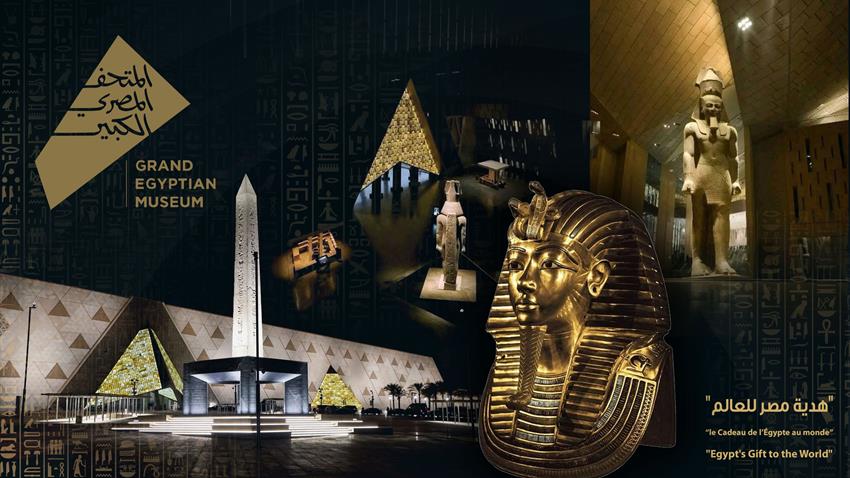
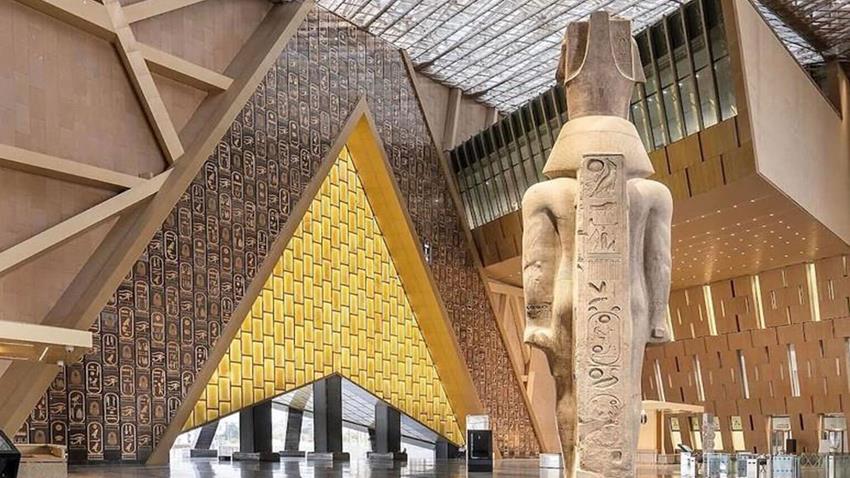
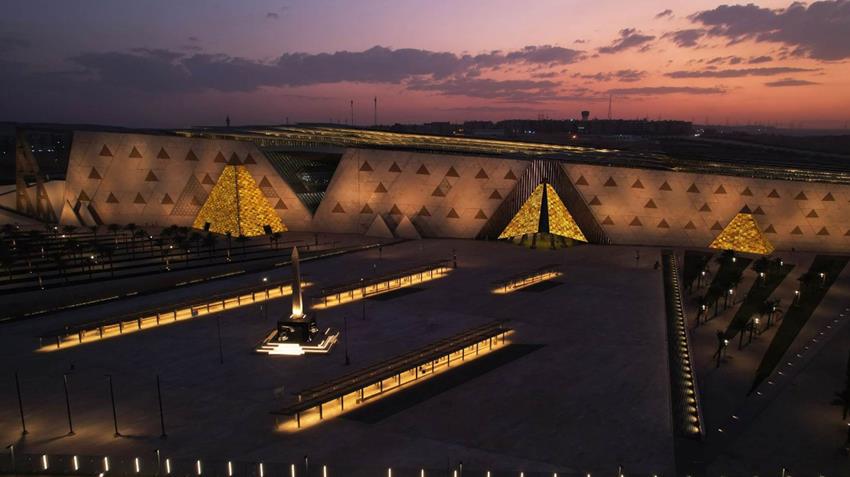
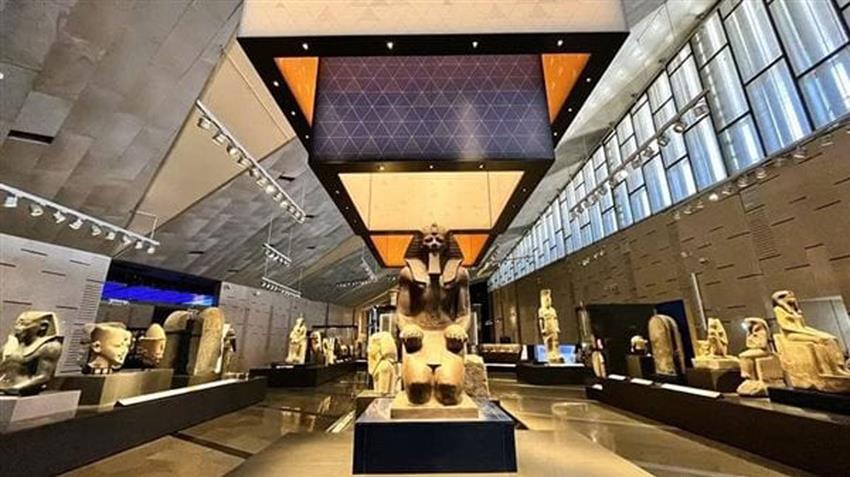
The Grand Egyptian Museum is an architectural masterpiece that combines the grandeur of the past with the spirit of modernity. The design of GEM was inspired by the three pyramids to embody an integrated architectural vision, where its overlapping triangular facade reflects the precise dimensions and ratios of the pyramids, in a symbolic reference to the greatness of Egyptian civilization and its integration with contemporary architectural thought. The interior design offers a unique cultural and educational experience, supported by the latest technologies such as digital displays and augmented reality, with organized paths that allow visitors to wander easily and smoothly, and an ideal environment for preserving the artifacts. GEM is an exceptional encounter between timeless heritage and modern innovation.
The idea of establishing the Grand Egyptian Museum began in the 1990s. In 2002, the foundation stone was laid for the museum project, to be built in a distinguished location overlooking the eternal Giza Pyramids. The Egyptian state, under the patronage of the United Nations Educational, Scientific and Cultural Organization (UNESCO) and the International Union of Architects, announced an international architectural competition for the best design for the museum. The current design, submitted by Heneghan Peng Architects from Ireland, won. Their design was based on the concept that the rays of sunlight extending from the peaks of the three pyramids, where they meet, form a conical mass, which is the Grand Egyptian Museum. Construction of the museum began in May 2005, with the site being prepared and equipped. In 2006, the largest artifact restoration center in the Middle East was established, dedicated to the restoration, preservation, maintenance, and rehabilitation of the artifacts scheduled for display in the museum's halls.
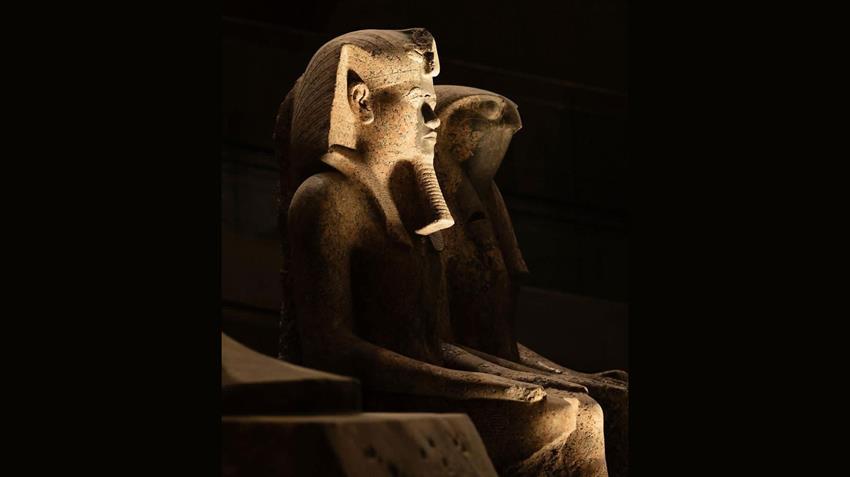
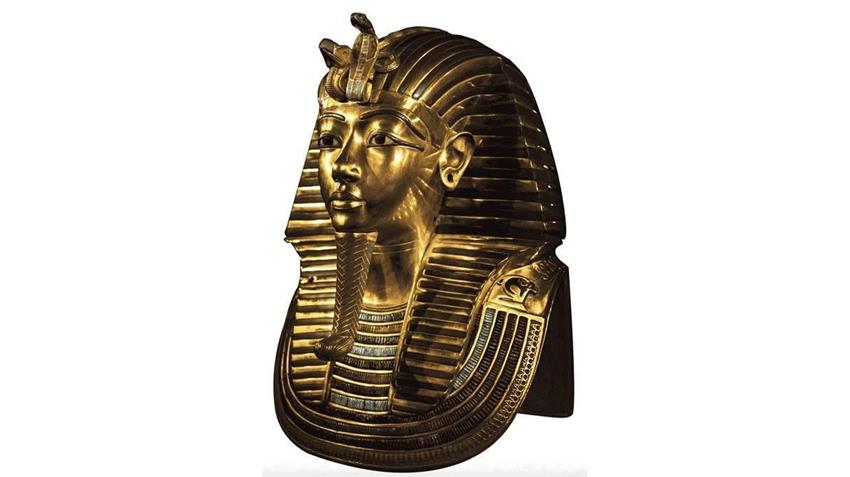
The museum spans an area of 490,000 square meters and includes a number of exhibition halls, each of which is considered larger than many existing museums in Egypt and the world. The museum is one of the most important and greatest achievements of modern Egypt. It was established to be an integrated global cultural, civilization, and entertainment landmark, and to be the primary destination for everyone interested in ancient Egyptian heritage. GEM is the largest museum in the world to tell the story of ancient Egyptian civilization, housing a large number of unique and distinguished artifacts, including the treasures of the Golden King Tutankhamun, which are displayed in full for the first time since the discovery of his tomb in November 1922. This is in addition to the collection of Queen Hetepheres, mother of King Khufu, the builder of the Great Pyramid of Giza, as well as the King Khufu Solar Boat Museum, and various archaeological holdings from the Pre-Dynastic Period up to the Greco-Roman eras.
The museum contains more than 57,000 artifacts, recounting the history of Egypt through the ages, covering the period from 700,000 BC to 394 AD, and it is expected to attract about 5 million visitors annually.
Within its confines, the museum also includes areas for cultural activities and events such as a Children's Museum (approximately 5,000 square meters), an educational center, temporary exhibition halls, a cinema, a conference center, as well as several commercial areas including shops, cafeterias, and restaurants, in addition to gardens and parks.


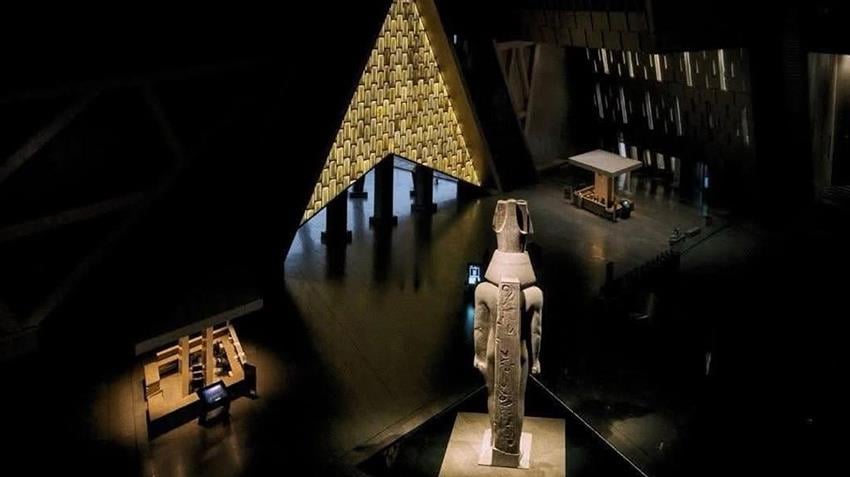
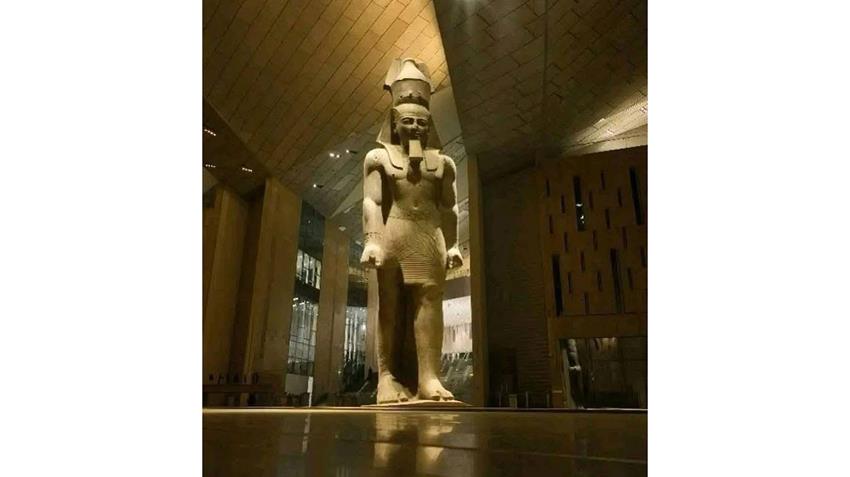
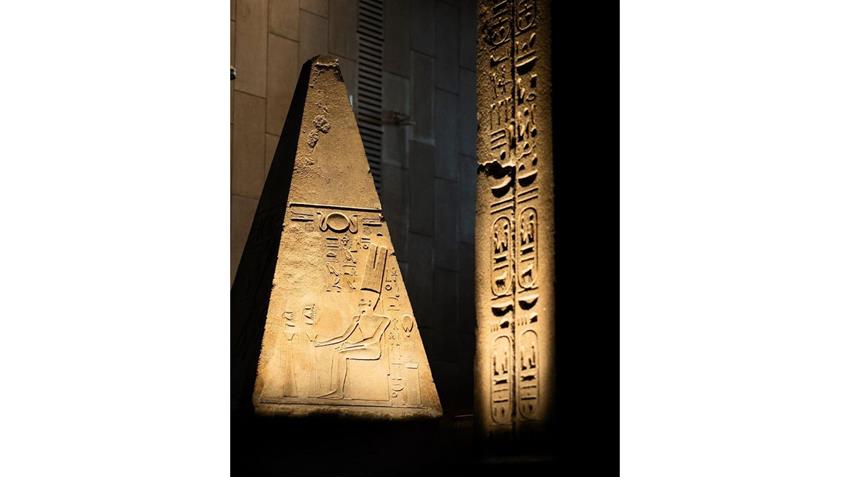
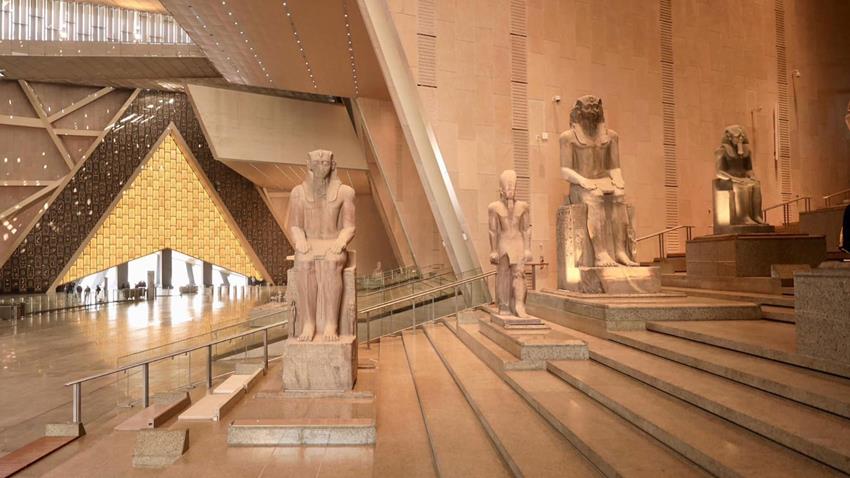
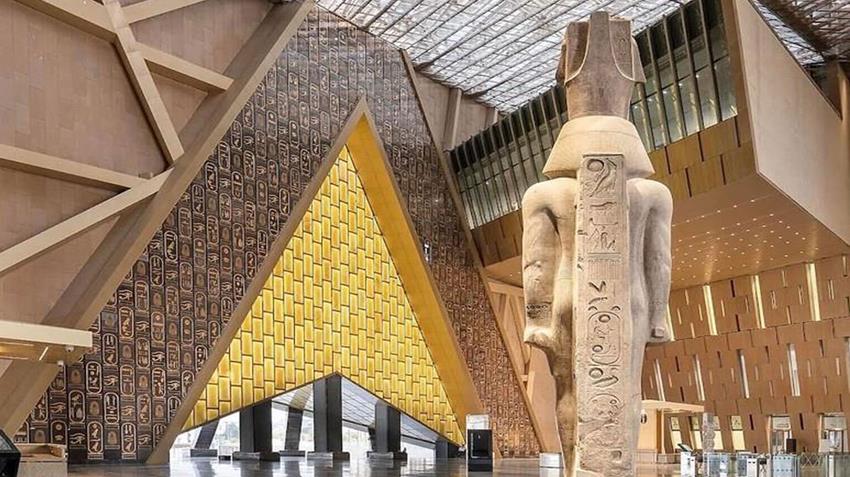
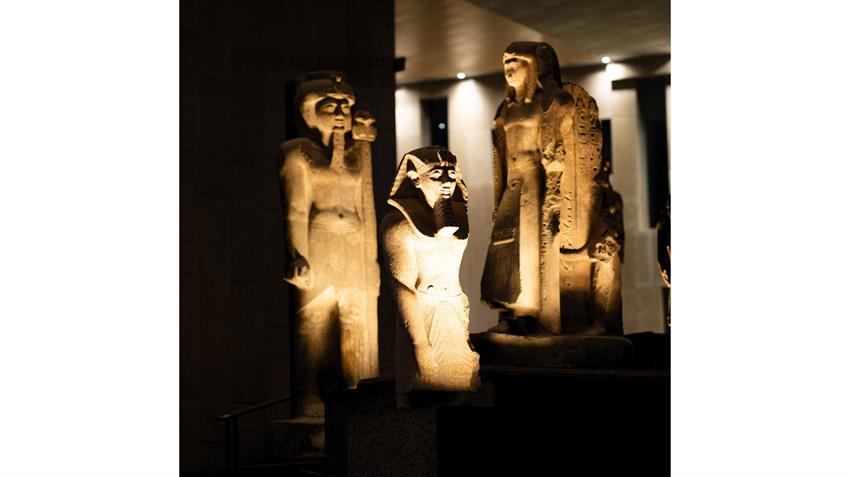
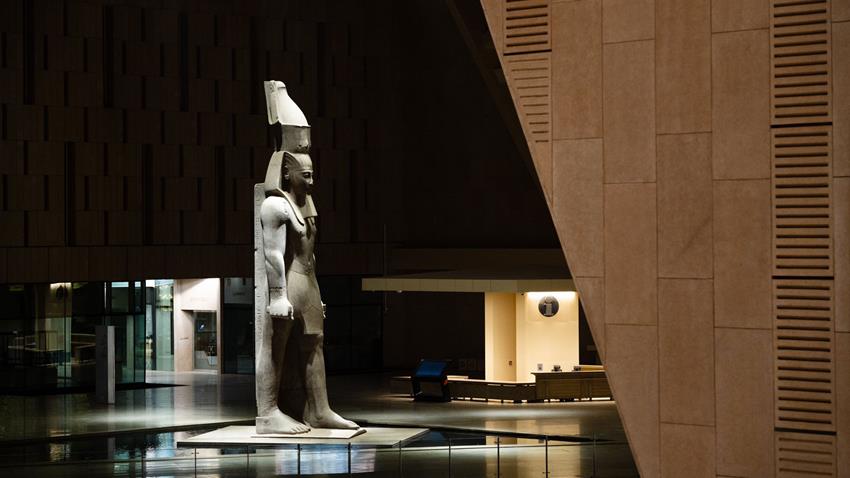
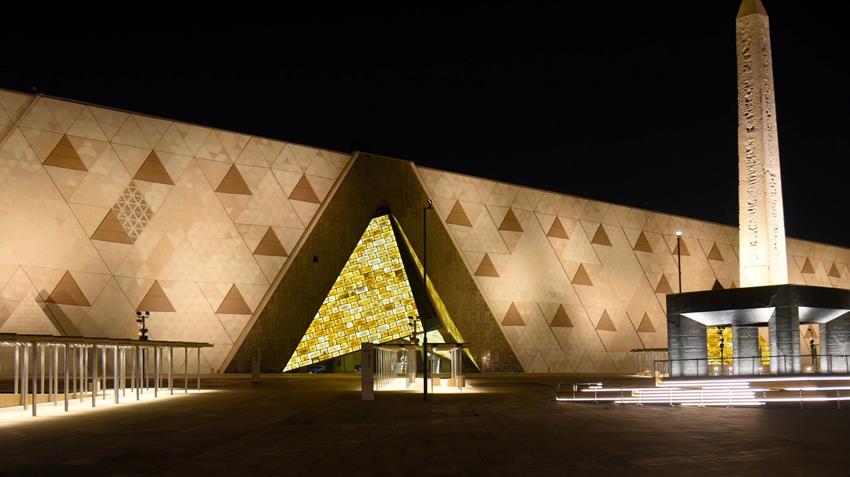
The Grand Egyptian Museum is an architectural masterpiece that combines the grandeur of the past with the spirit of modernity. The design of GEM was inspired by the three pyramids to embody an integrated architectural vision, where its overlapping triangular facade reflects the precise dimensions and ratios of the pyramids, in a symbolic reference to the greatness of Egyptian civilization and its integration with contemporary architectural thought. The interior design offers a unique cultural and educational experience, supported by the latest technologies such as digital displays and augmented reality, with organized paths that allow visitors to wander easily and smoothly, and an ideal environment for preserving the artifacts. GEM is an exceptional encounter between timeless heritage and modern innovation.
The idea of establishing the Grand Egyptian Museum began in the 1990s. In 2002, the foundation stone was laid for the museum project, to be built in a distinguished location overlooking the eternal Giza Pyramids. The Egyptian state, under the patronage of the United Nations Educational, Scientific and Cultural Organization (UNESCO) and the International Union of Architects, announced an international architectural competition for the best design for the museum. The current design, submitted by Heneghan Peng Architects from Ireland, won. Their design was based on the concept that the rays of sunlight extending from the peaks of the three pyramids, where they meet, form a conical mass, which is the Grand Egyptian Museum. Construction of the museum began in May 2005, with the site being prepared and equipped. In 2006, the largest artifact restoration center in the Middle East was established, dedicated to the restoration, preservation, maintenance, and rehabilitation of the artifacts scheduled for display in the museum's halls.
The museum spans an area of 490,000 square meters and includes a number of exhibition halls, each of which is considered larger than many existing museums in Egypt and the world. The museum is one of the most important and greatest achievements of modern Egypt. It was established to be an integrated global cultural, civilization, and entertainment landmark, and to be the primary destination for everyone interested in ancient Egyptian heritage. GEM is the largest museum in the world to tell the story of ancient Egyptian civilization, housing a large number of unique and distinguished artifacts, including the treasures of the Golden King Tutankhamun, which are displayed in full for the first time since the discovery of his tomb in November 1922. This is in addition to the collection of Queen Hetepheres, mother of King Khufu, the builder of the Great Pyramid of Giza, as well as the King Khufu Solar Boat Museum, and various archaeological holdings from the Pre-Dynastic Period up to the Greco-Roman eras.
The museum contains more than 57,000 artifacts, recounting the history of Egypt through the ages, covering the period from 700,000 BC to 394 AD, and it is expected to attract about 5 million visitors annually.
Within its confines, the museum also includes areas for cultural activities and events such as a Children's Museum (approximately 5,000 square meters), an educational center, temporary exhibition halls, a cinema, a conference center, as well as several commercial areas including shops, cafeterias, and restaurants, in addition to gardens and parks.


All rights reserved to the presidency Copyright © 2020
All rights reserved to the presidency Copyright © 2020