
All rights reserved to the presidency Copyright © 2020


The total area of the station site is 60 feddans, including a multi-story garage and a mosque, which occupy 3 feddans. The station building consists of 4 floors with a total area of 31,000 square meters. The station has 11 platforms with a total length of 3,850 meters: 3,500 meters of platforms for passengers traveling to Upper Egypt and 350 meters of platforms for freight.
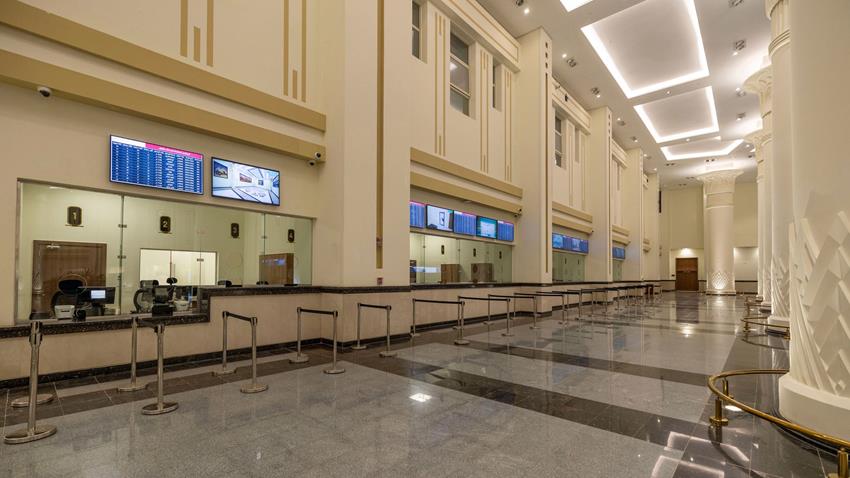
The station serves its passengers through 28 ticket windows and is equipped with 10 electronic ticketing machines. A central control room equipped with surveillance screens is served by 1,200 surveillance cameras distributed throughout the station and its annexes. The station also includes 2 information desks to serve the public, 14 baggage inspection gates, and 86 electronic gates for passenger entry and exit to and from the platforms. Additionally, the station has 14 escalators, 34 electric escalators, and 1 elevator for people with special needs.
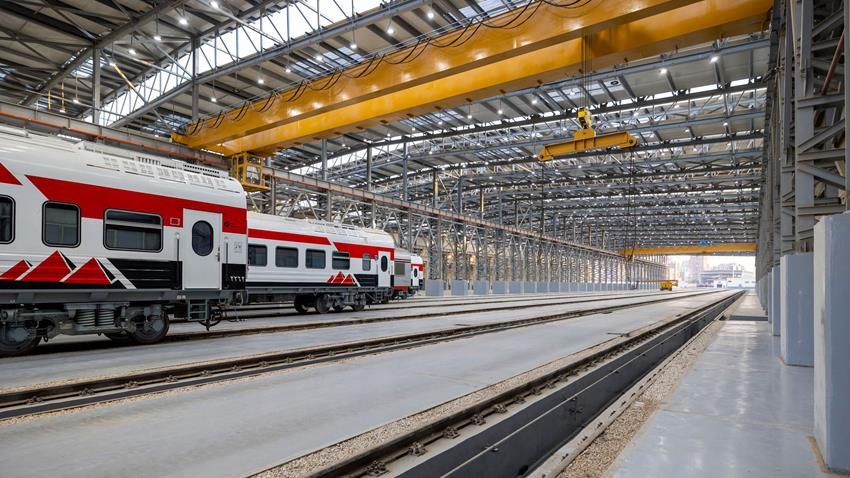
The station includes a mall on a total area of 22,900 square meters, consisting of 3 floors and containing 161 shops. There is also a basement garage equipped to accommodate 250 cars. Attached to the station are workshops for mobile units, including a locomotive workshop on an area of 3,800 square meters and a capacity to repair 24 locomotives per day, and a carriage workshop on an area of 22,000 square meters and a capacity to repair 140 carriages. The station also houses an administrative building for the workshops, an electrical substation, a fuel station, and locomotive washing machine equipped with the latest equipment.
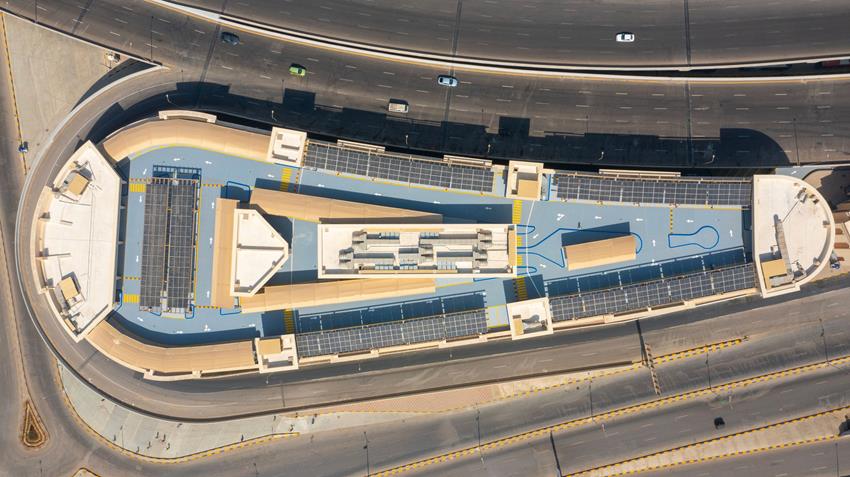
Moreover, the station has 6 vehicular and pedestrian tunnels with a total length of 1.2 km. The station is served by a multi-story garage built on 6 floors on an area of 7,000 square meters and a capacity of 1,100 cars. A mosque has been built to serve the station, with a capacity of 500 worshippers. A bus station has been built to accommodate 50 buses and minibuses. The station also has a 10-feddan investment area (commercial, residential, and administrative) and provides job opportunities for 200 engineers per day and 7,500 workers per day.
The station's location is characterized by its connection to major axes such as Lieutenant-General Kamal Amer Axis, Rod El Farag Axis, 26th of July Axis, and the Ring Road, as well as its integration with various modes of transportation (railway, metro, monorail, and public transportation). It is also integrated with Egypt's railway lines, becoming part of the network, and also integrates with the third metro line, the West Nile Monorail, and the Bus Rapid Transit, the BRT, route.
The establishment of the Upper Egypt Railway Station aims to reduce the pressure on Ramses Station by making Beshtil Station the final stop for Upper Egypt trains; improve the services provided within railway stations and promote them to a global standard; establish new workshops for the maintenance of carriages and locomotives to improve maintenance levels; expand the construction of interchange stations between various public transportation modes; and achieve sustainable development for the community by providing smart transportation stations in line with the New Republic.
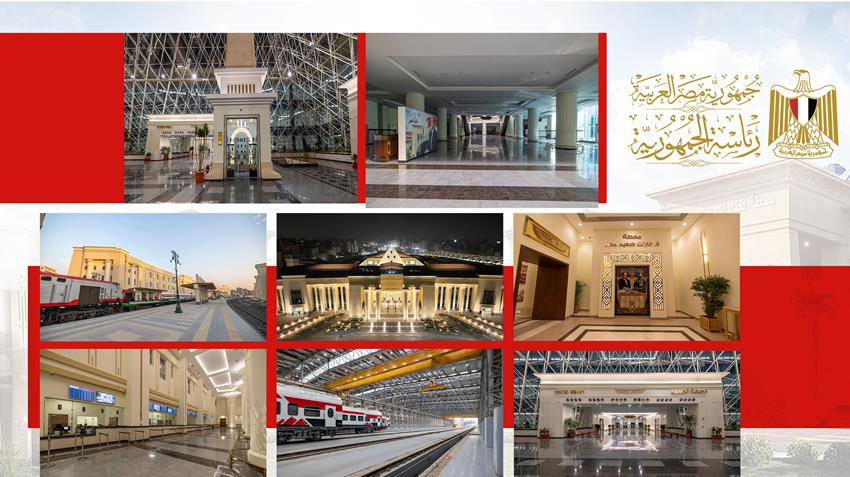
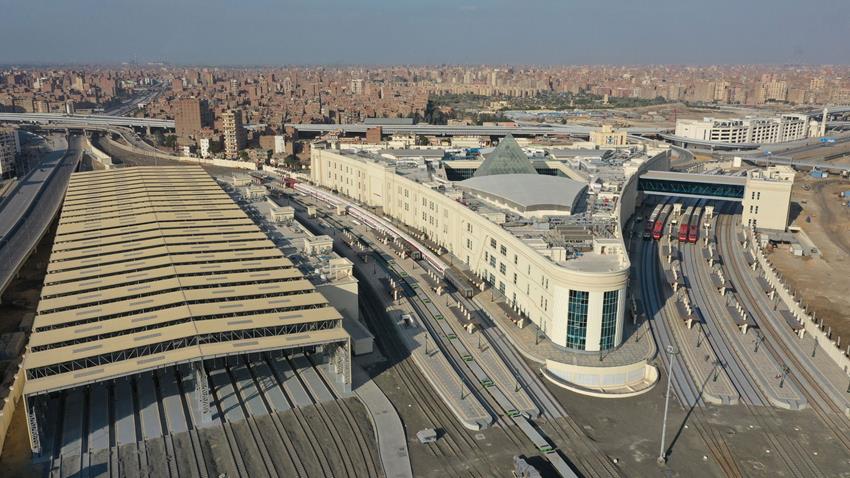
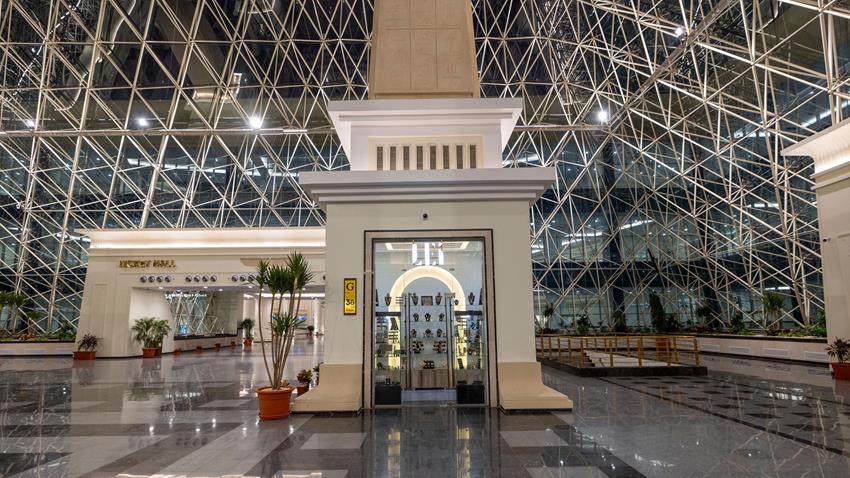
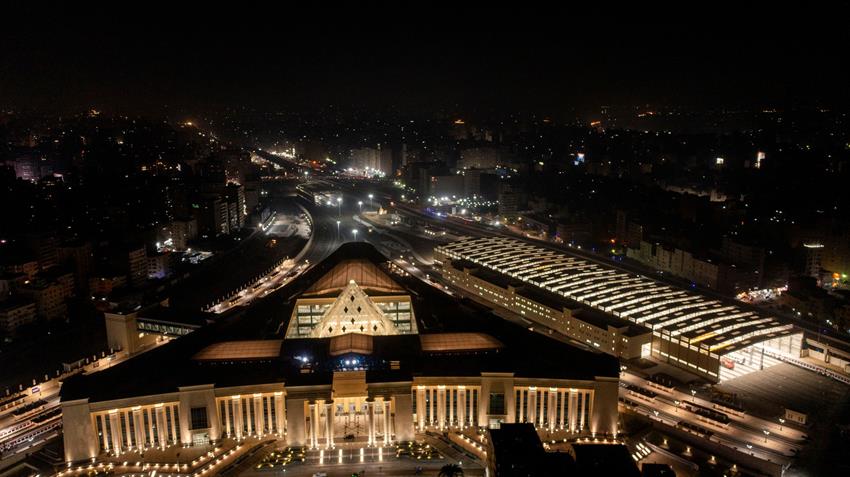
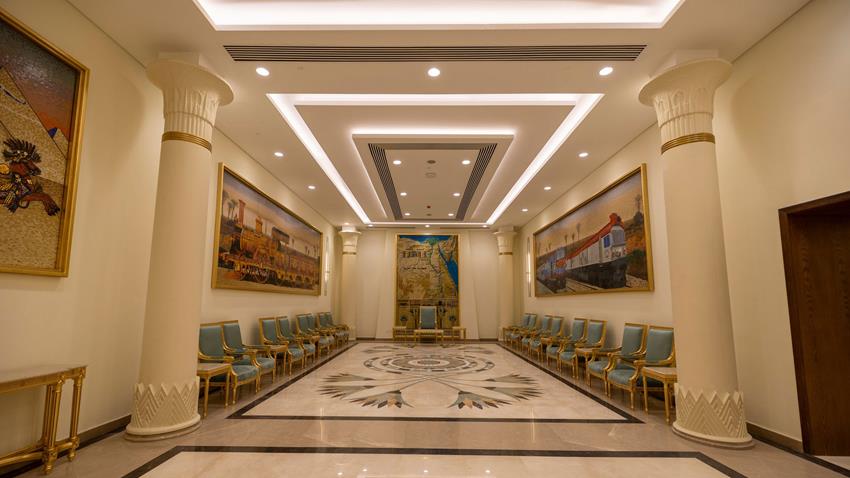
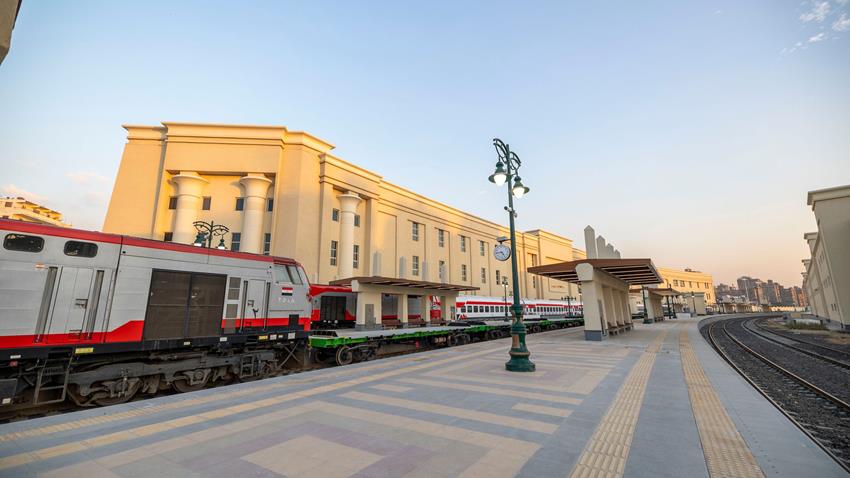
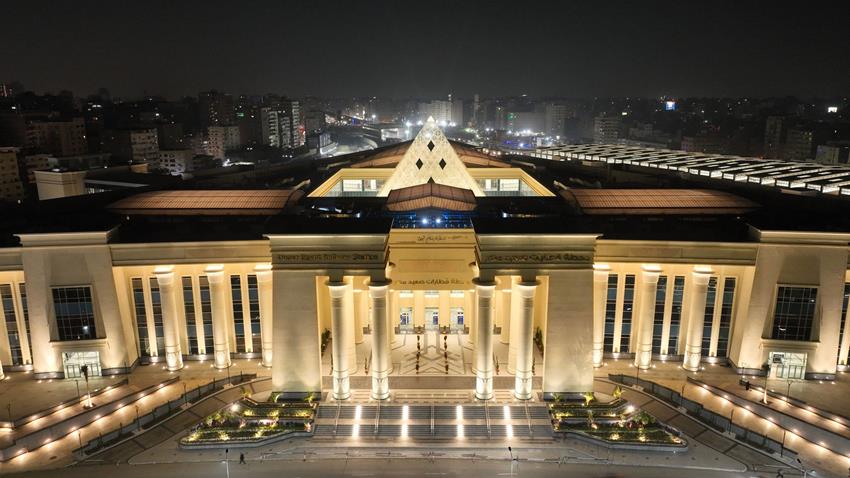
The total area of the station site is 60 feddans, including a multi-story garage and a mosque, which occupy 3 feddans. The station building consists of 4 floors with a total area of 31,000 square meters. The station has 11 platforms with a total length of 3,850 meters: 3,500 meters of platforms for passengers traveling to Upper Egypt and 350 meters of platforms for freight.
The station serves its passengers through 28 ticket windows and is equipped with 10 electronic ticketing machines. A central control room equipped with surveillance screens is served by 1,200 surveillance cameras distributed throughout the station and its annexes. The station also includes 2 information desks to serve the public, 14 baggage inspection gates, and 86 electronic gates for passenger entry and exit to and from the platforms. Additionally, the station has 14 escalators, 34 electric escalators, and 1 elevator for people with special needs.
The station includes a mall on a total area of 22,900 square meters, consisting of 3 floors and containing 161 shops. There is also a basement garage equipped to accommodate 250 cars. Attached to the station are workshops for mobile units, including a locomotive workshop on an area of 3,800 square meters and a capacity to repair 24 locomotives per day, and a carriage workshop on an area of 22,000 square meters and a capacity to repair 140 carriages. The station also houses an administrative building for the workshops, an electrical substation, a fuel station, and locomotive washing machine equipped with the latest equipment.
Moreover, the station has 6 vehicular and pedestrian tunnels with a total length of 1.2 km. The station is served by a multi-story garage built on 6 floors on an area of 7,000 square meters and a capacity of 1,100 cars. A mosque has been built to serve the station, with a capacity of 500 worshippers. A bus station has been built to accommodate 50 buses and minibuses. The station also has a 10-feddan investment area (commercial, residential, and administrative) and provides job opportunities for 200 engineers per day and 7,500 workers per day.
The station's location is characterized by its connection to major axes such as Lieutenant-General Kamal Amer Axis, Rod El Farag Axis, 26th of July Axis, and the Ring Road, as well as its integration with various modes of transportation (railway, metro, monorail, and public transportation). It is also integrated with Egypt's railway lines, becoming part of the network, and also integrates with the third metro line, the West Nile Monorail, and the Bus Rapid Transit, the BRT, route.
The establishment of the Upper Egypt Railway Station aims to reduce the pressure on Ramses Station by making Beshtil Station the final stop for Upper Egypt trains; improve the services provided within railway stations and promote them to a global standard; establish new workshops for the maintenance of carriages and locomotives to improve maintenance levels; expand the construction of interchange stations between various public transportation modes; and achieve sustainable development for the community by providing smart transportation stations in line with the New Republic.


All rights reserved to the presidency Copyright © 2020
All rights reserved to the presidency Copyright © 2020