
All rights reserved to the presidency Copyright © 2020


The idea of establishing the museum emerged in 1891, when the Italian archaeologist Giuseppe Botti thought of allocating a place to encompass the archaeological discoveries that were revealed in Alexandria, in order to preserve its cultural history. The current museum was built in the style of Greek buildings.
Components of the museum:
• The Administrative building: It consists of a basement, a ground floor, and 3 floors.
• Museum building: It consists of:
Ground floor:
It contains 27 halls that house the artifacts, which have been arranged in chronological order from the pre-Alexander the Great era (5th century BC) to the Byzantine era (6th century AD). This is, in addition to artifact stores, organic and inorganic artifact restoration laboratories, and restrooms.
The Upper floor:
It includes 4 halls: The Museum Education Hall, the Archive and Registration Hall, the Egypsotica Hall, and the Study Hall.
The first floor:
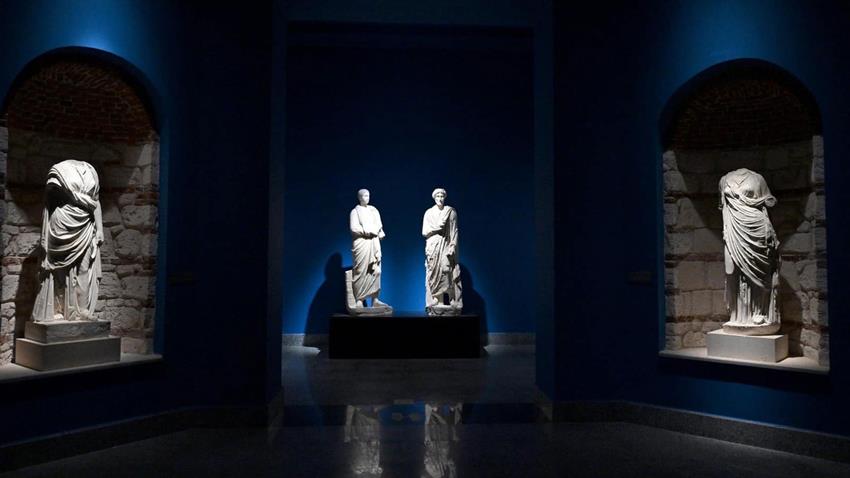
The artifacts are displayed in this floord according to a thematic classification, including the Nile Hall, the Agora, the Red Land, Industry and Trade, Coins, Alexandrian Art, the Serapeum, the Kom El-Shuqafa area, and Alexandrian sculptures. The floor also includes cafes, restaurants, a library of rare books, a lecture hall, artifact stores, and restrooms.
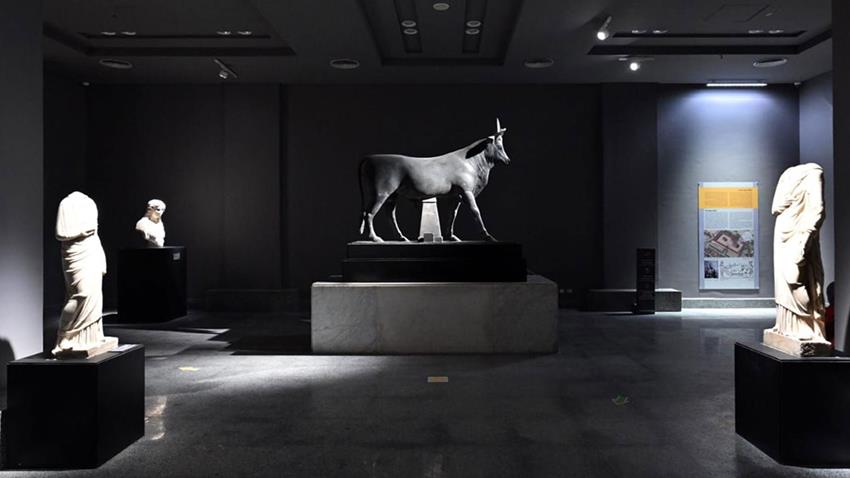
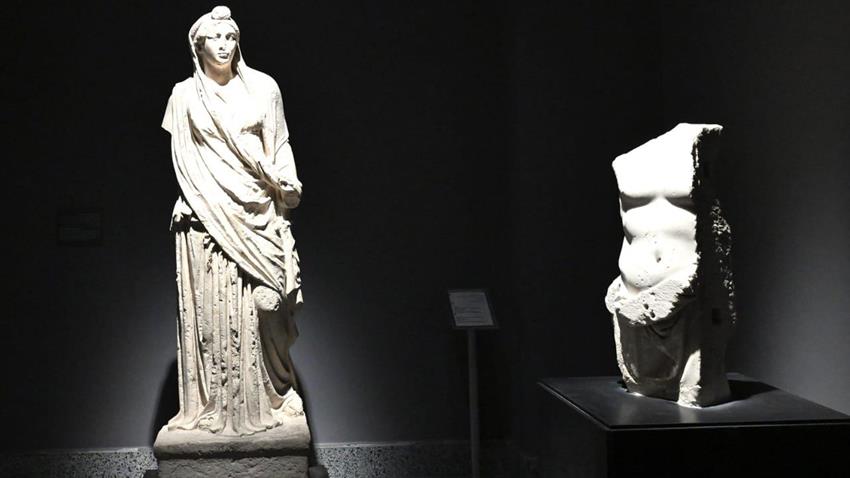
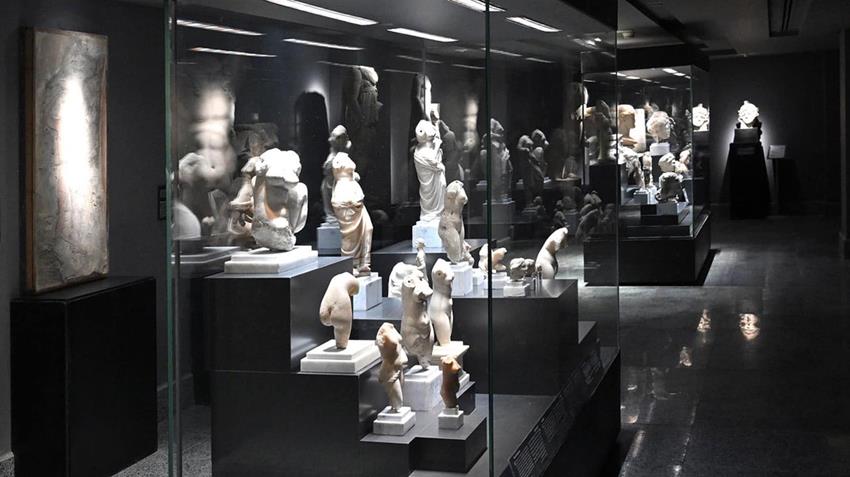
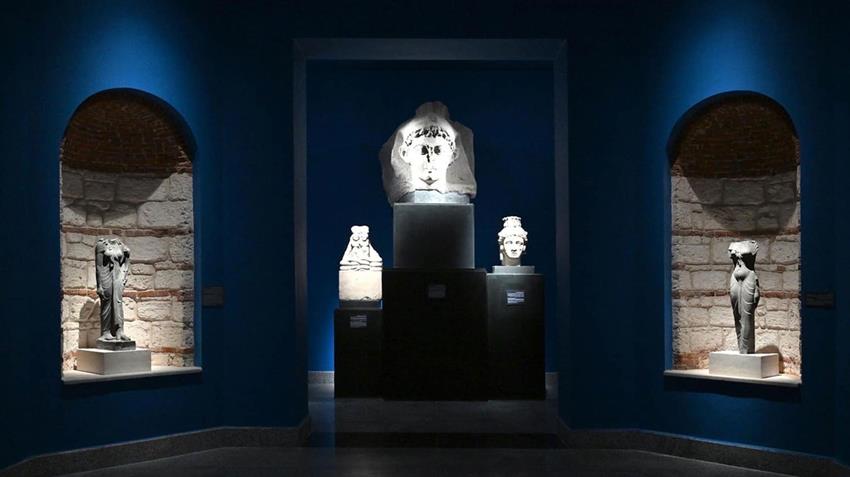
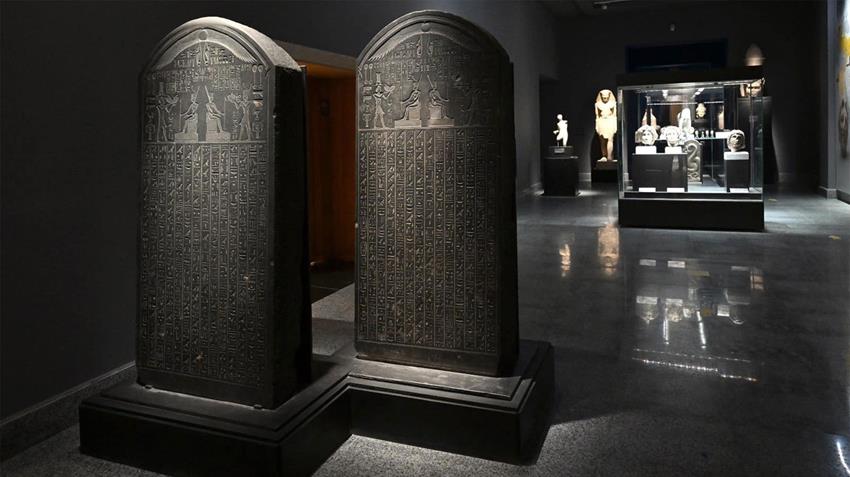
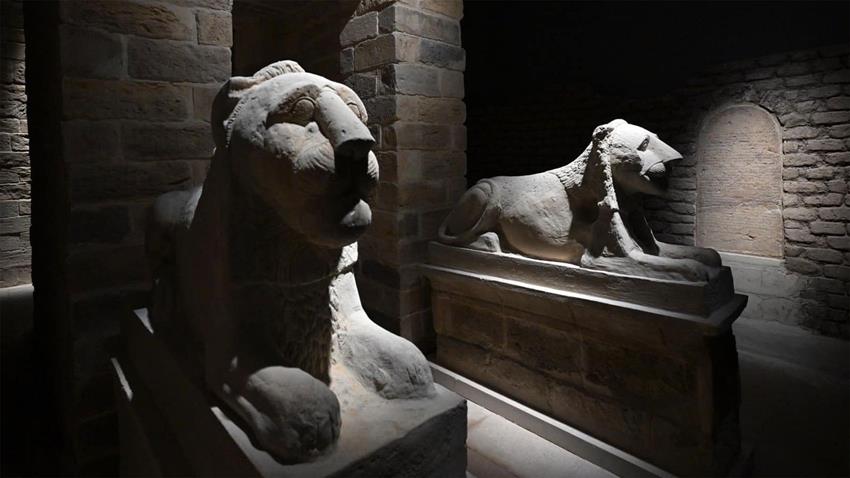
The museum contains 6,000 artifacts. The themes of the exhibits in the museum halls have been diversified from the previous ones, and cover historical periods from the history of ancient Egypt in general and Alexandria in particular. This is done through the permanent display of the Greek-Roman Museum scenario, the re-display of the museum, and the introduction of new sections in the museum to serve the modern museum concept in a way that attracts Egyptian and non-Egyptian visitors. This aims to highlight the intellectual and artistic fusion between the ancient Egyptian, Greek, Roman, Coptic, and Byzantine civilizations.
The themes are divided into the following:
• The ruling state and political life in Egypt during the Ptolemaic and Roman periods
• A display of the daily life of the Greeks and Romans in Alexandria
• A display of the idea of religion and worship in the Greek and Roman periods through the well-known and outstanding collections of the Greek-Roman Museum, such as the Black Head group, the Red Land group, and the exhibit of the crocodile temple - Sobek
Presenting the concept of Alexandria, knowledge and intellectuality, as Alexandria was a beacon of sciences and different civilizational cultures and a destination to which all scholars and philosophers of the ancient world headed because of its cultural and civilizational influence.
Displaying the development of funerary beliefs in the Greek and Roman eras through mummies, amulets, Canopic jars, funerary tombstones, Fayum portraits, and coffins across the different eras that Alexandria in particular and Egypt in general passed through.
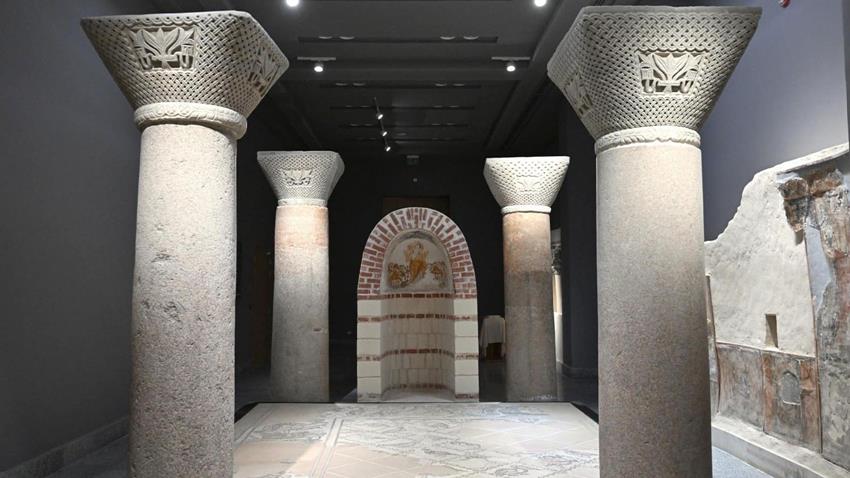
Displaying Byzantine and Coptic art through distinctive architectural remains (friezes, ceiling decorations, column bases, tiaras, tapestries and coins).
Presenting the concept of trade, commerce, and Egyptian crafts (ivory, bone, jewelry, faience, etc.), which were spread throughout Egypt in ancient times and were exchanged with friendly countries.
Providing the museum with a conference hall and the library of the Greco-Roman Museum, which includes the rarest books in the world, a hall for museum education to attract children to the museum through various workshops and activities concerned with raising archaeological awareness among children, a hall of gypsum replicas that resemble artistic models in international museums, and a hall for studies and scholars.
The museum development project included painting the interior and exterior walls, strengthening the old walls of the museum with an iron structure, restoring the museum’s classic facade, as well as upgrading the lighting and surveillance systems and providing a hall called (Egypsotica) in which a group of gypsum replicas were displayed, some of which were on display in the old museum, in addition to an educational department, a museum archive, a historical library, stores, and a restoration center
The project also included raising the efficiency of services offered to visitors to improve their experience and makes it more attractive and convenient. Cafeterias and a gift house have been added to the museum. The museum was equipped to receive people of determination visitors, providing them with convenient bathrooms, elevators, and places for museum education.
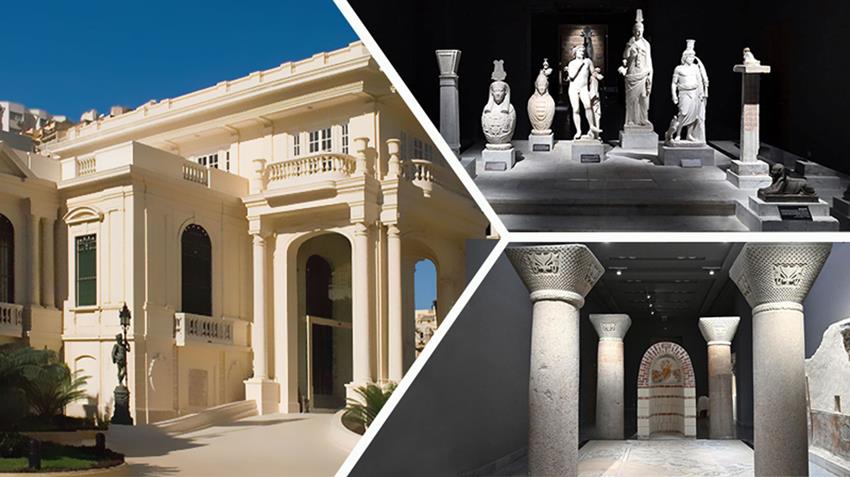
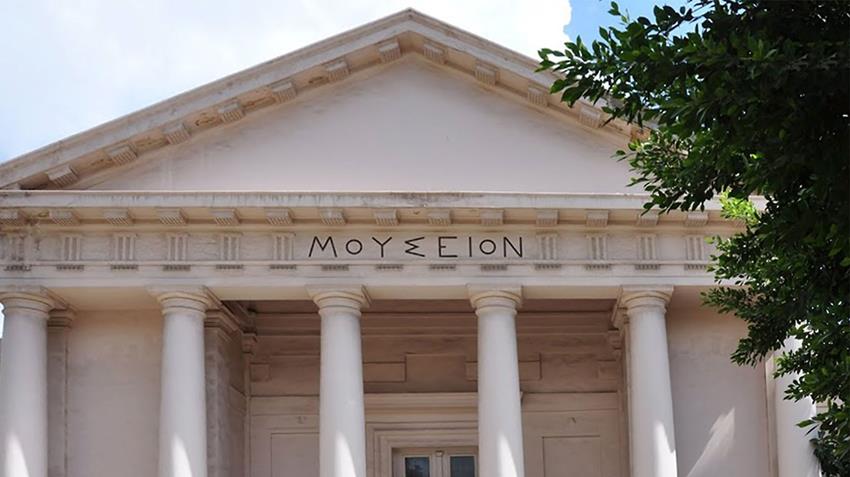
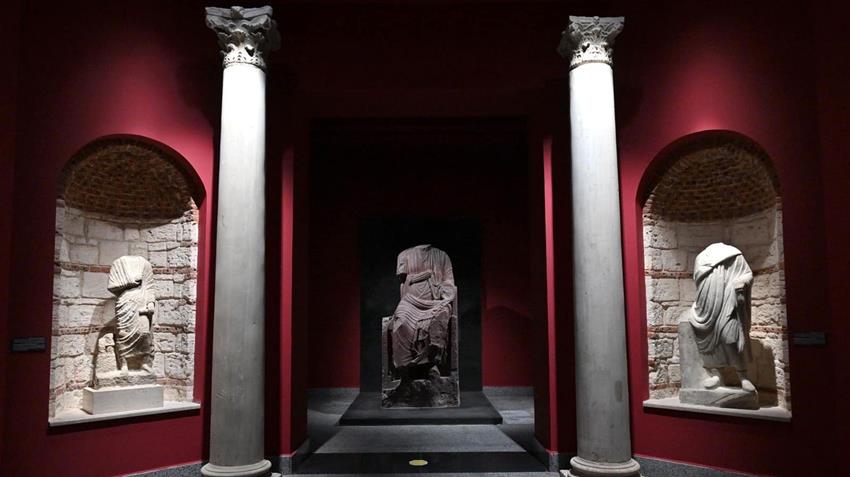
The idea of establishing the museum emerged in 1891, when the Italian archaeologist Giuseppe Botti thought of allocating a place to encompass the archaeological discoveries that were revealed in Alexandria, in order to preserve its cultural history. The current museum was built in the style of Greek buildings.
Components of the museum:
• The Administrative building: It consists of a basement, a ground floor, and 3 floors.
• Museum building: It consists of:
Ground floor:
It contains 27 halls that house the artifacts, which have been arranged in chronological order from the pre-Alexander the Great era (5th century BC) to the Byzantine era (6th century AD). This is, in addition to artifact stores, organic and inorganic artifact restoration laboratories, and restrooms.
The Upper floor:
It includes 4 halls: The Museum Education Hall, the Archive and Registration Hall, the Egypsotica Hall, and the Study Hall.
The first floor:
The artifacts are displayed in this floord according to a thematic classification, including the Nile Hall, the Agora, the Red Land, Industry and Trade, Coins, Alexandrian Art, the Serapeum, the Kom El-Shuqafa area, and Alexandrian sculptures. The floor also includes cafes, restaurants, a library of rare books, a lecture hall, artifact stores, and restrooms.
The museum contains 6,000 artifacts. The themes of the exhibits in the museum halls have been diversified from the previous ones, and cover historical periods from the history of ancient Egypt in general and Alexandria in particular. This is done through the permanent display of the Greek-Roman Museum scenario, the re-display of the museum, and the introduction of new sections in the museum to serve the modern museum concept in a way that attracts Egyptian and non-Egyptian visitors. This aims to highlight the intellectual and artistic fusion between the ancient Egyptian, Greek, Roman, Coptic, and Byzantine civilizations.
The themes are divided into the following:
• The ruling state and political life in Egypt during the Ptolemaic and Roman periods
• A display of the daily life of the Greeks and Romans in Alexandria
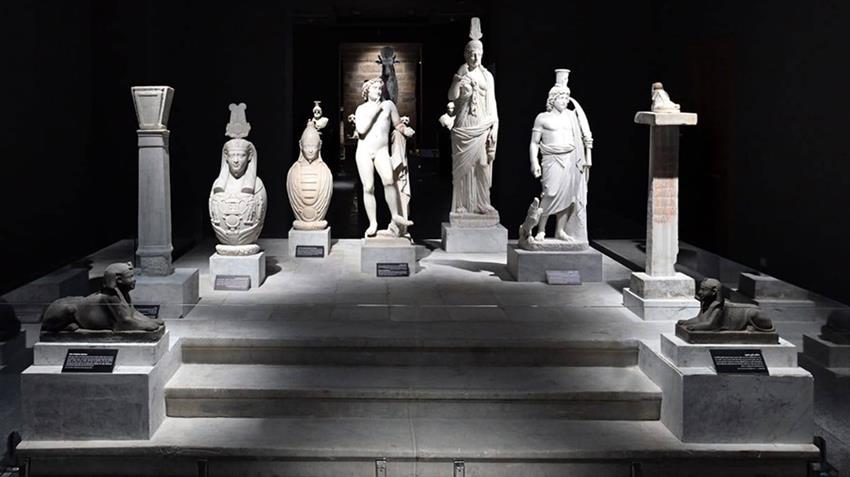
• A display of the idea of religion and worship in the Greek and Roman periods through the well-known and outstanding collections of the Greek-Roman Museum, such as the Black Head group, the Red Land group, and the exhibit of the crocodile temple - Sobek
Presenting the concept of Alexandria, knowledge and intellectuality, as Alexandria was a beacon of sciences and different civilizational cultures and a destination to which all scholars and philosophers of the ancient world headed because of its cultural and civilizational influence.
Displaying the development of funerary beliefs in the Greek and Roman eras through mummies, amulets, Canopic jars, funerary tombstones, Fayum portraits, and coffins across the different eras that Alexandria in particular and Egypt in general passed through.
Displaying Byzantine and Coptic art through distinctive architectural remains (friezes, ceiling decorations, column bases, tiaras, tapestries and coins).
Presenting the concept of trade, commerce, and Egyptian crafts (ivory, bone, jewelry, faience, etc.), which were spread throughout Egypt in ancient times and were exchanged with friendly countries.
Providing the museum with a conference hall and the library of the Greco-Roman Museum, which includes the rarest books in the world, a hall for museum education to attract children to the museum through various workshops and activities concerned with raising archaeological awareness among children, a hall of gypsum replicas that resemble artistic models in international museums, and a hall for studies and scholars.
The museum development project included painting the interior and exterior walls, strengthening the old walls of the museum with an iron structure, restoring the museum’s classic facade, as well as upgrading the lighting and surveillance systems and providing a hall called (Egypsotica) in which a group of gypsum replicas were displayed, some of which were on display in the old museum, in addition to an educational department, a museum archive, a historical library, stores, and a restoration center
The project also included raising the efficiency of services offered to visitors to improve their experience and makes it more attractive and convenient. Cafeterias and a gift house have been added to the museum. The museum was equipped to receive people of determination visitors, providing them with convenient bathrooms, elevators, and places for museum education.


All rights reserved to the presidency Copyright © 2020
All rights reserved to the presidency Copyright © 2020