
All rights reserved to the presidency Copyright © 2020


The third phase of Metro Line 3 covers 17.7 km in length and includes 15 stations (8 underground ,5 elevated and 2 grade level), extending from Ataba station in downtown Cairo passing through the Maspero district and the Ministry of Foreign Affairs. It then crosses the River Nile through Zamalek over to the Kitkat Square and branches north to Imbaba, reaching the Ring Road, and south to Mohandessin and Boulaq El-Dakrour, extending to Cairo University. It is implemented over three parts.
The first part of the third phase A3 extends from Ataba to Kitka, is 4 km long and includes 4 underground stations; Nasser, Maspero, Safaa Higazi and Kitkat. It is equipped with the highest quality standards.
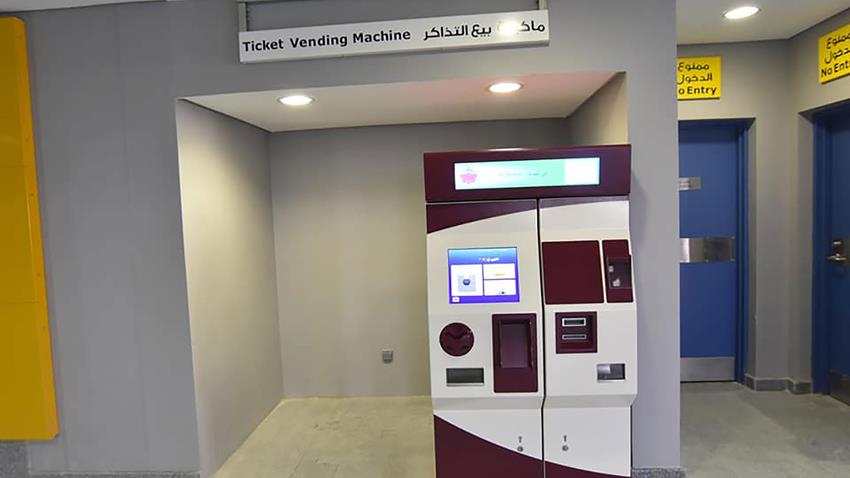
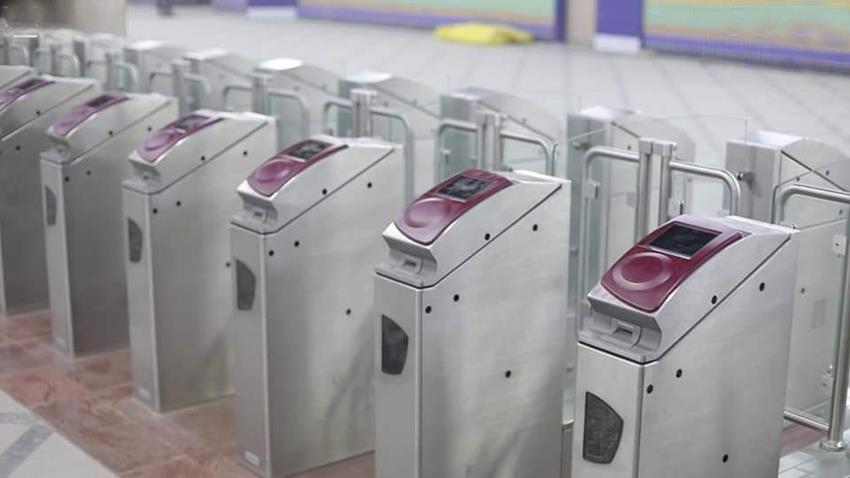
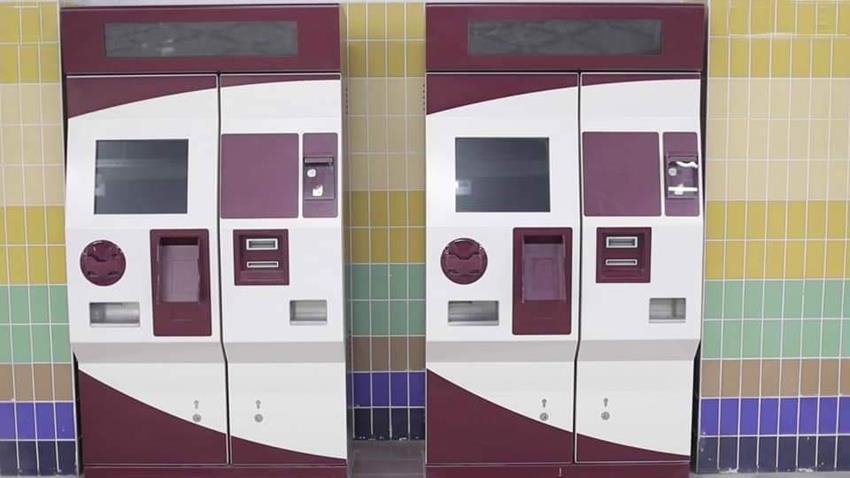
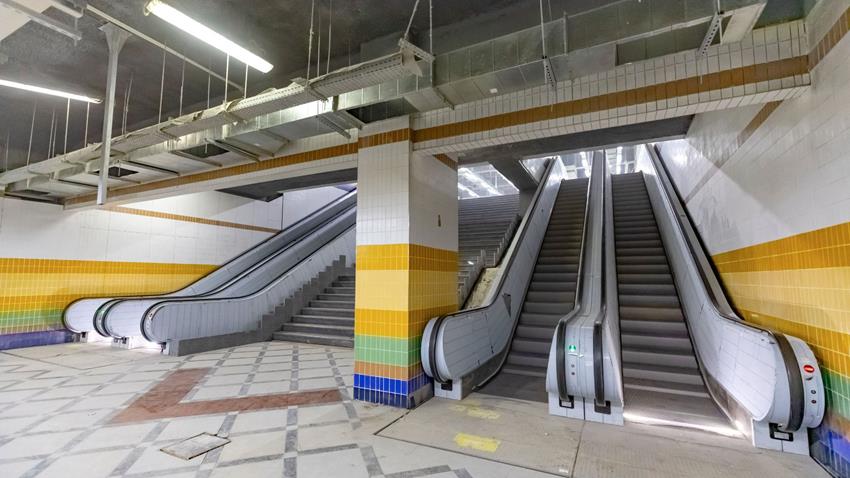
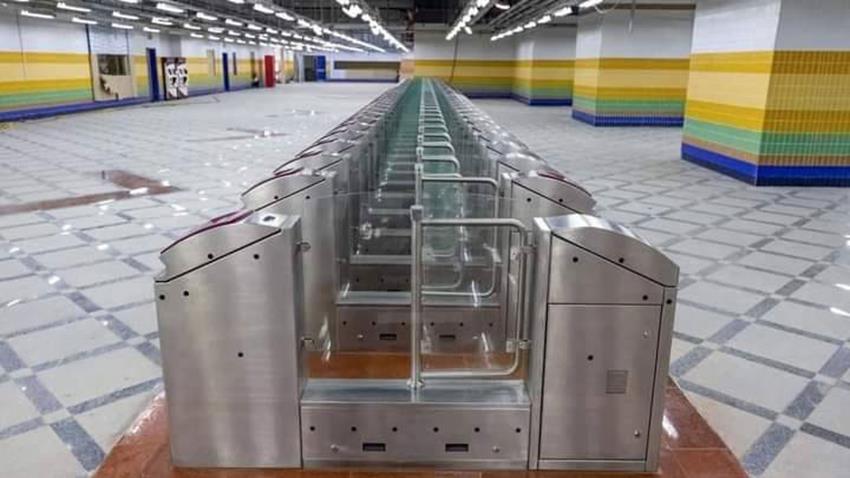
Nasser, one of the stations in phase A3, is an interchange station with the first metro line. It covers an area of 7,100 square meters, consists of 4 floors and includes 52 ticket gates, 4 ticket machines (TVM) and 37 escalators. This station and others are well-equipped to be accessible to people with disabilities. For example, there are 2 elevators from street level to the sidewalks, as well as special slabs on the sidewalks to facilitate their movement. The station also has 7 toilets, one of which is designated for people with disabilities.
The second part of the third phase B3 stretches over a length of 6.6 km from the Kitkat station to the final station at the Rod El Farag Axis. It includes 6 stations (one underground, 4 elevated and one grade level). It is planned to be connected to the BRT bus project, which will run on the Ring Road after it is developed to allow service exchange between them.
The third part of the third phase C3 stretches over a length of 7.1 km from the Kitkat station to Cairo University and has 5 stations (3 underground, one elevated station (Cairo University) and one grade level (Bulaq Al-Dakrour)]. Work is carried out according to high quality standards, with the optimal investment of all stations.
The third line of the metro is considered the first transverse route to connect the east and west of Greater Cairo as it covers a length of 41.2 km and includes 34 stations (21 underground, 2 grade level and 11 elevated). It is implemented over four stages. Three stages have been completed and operative covering a length of about 24 km.
The first covers a length of 4.4 km with 5 underground stations.
The second covers a length of 7.7 km with 4 underground stations.
The third covers a length of 17.7 km, with 15 stations (8 underground, 5 elevated and 2 grade level).
Fourth covers a length of 11.5 km, with 10 stations (4 underground and 6 elevated).
The third line also offers interchange transport service with the first line at Nasser station, with the second line at Ataba and Cairo University stations and with the electric train at Adly Mansour central interchange station. It integrates with the East Nile monorail at the stadium station and with the West Nile monorail at the Nile Valley station. This line has the largest workshop in the Middle East and Africa on an area of 65 acres and includes 32 buildings in which heavy and light overhauls of trains are carried out in addition to the comprehensive washing, painting and renewal of wagons. It is also equipped to store trains with a capacity of 30 trains.
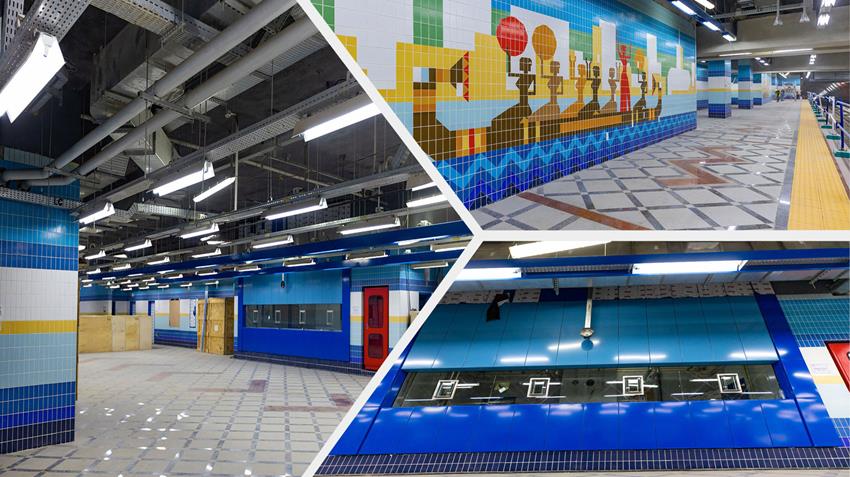
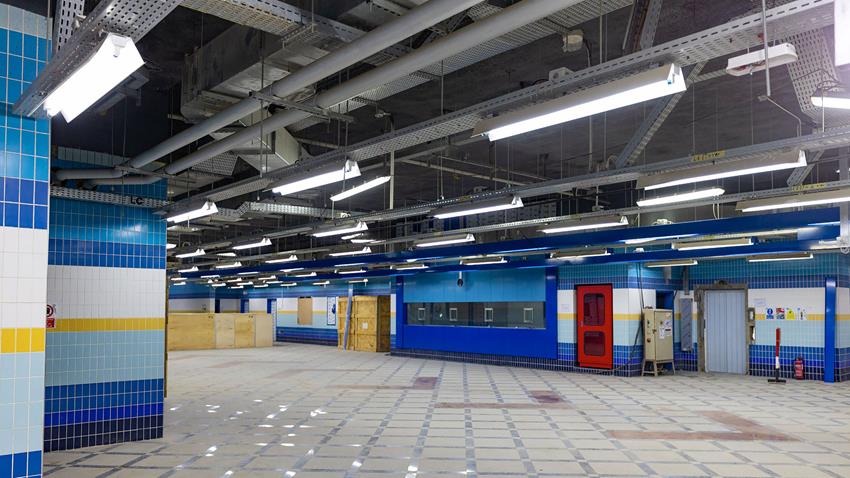
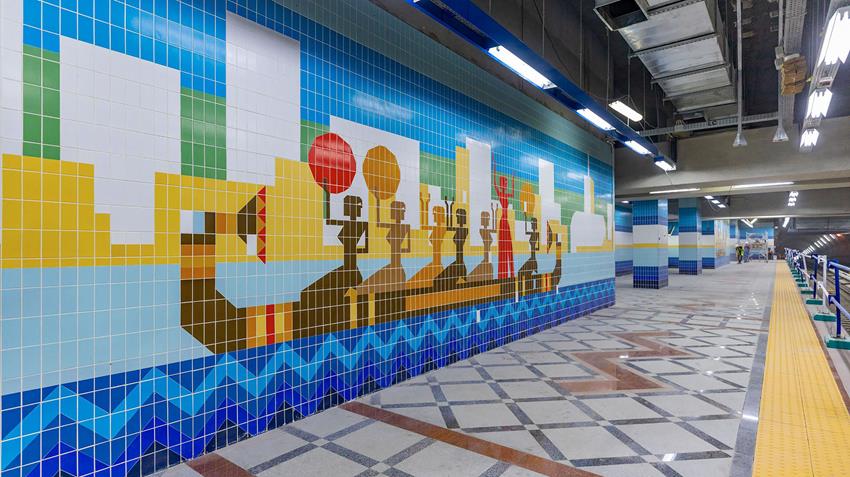
The third phase of Metro Line 3 covers 17.7 km in length and includes 15 stations (8 underground ,5 elevated and 2 grade level), extending from Ataba station in downtown Cairo passing through the Maspero district and the Ministry of Foreign Affairs. It then crosses the River Nile through Zamalek over to the Kitkat Square and branches north to Imbaba, reaching the Ring Road, and south to Mohandessin and Boulaq El-Dakrour, extending to Cairo University. It is implemented over three parts.
The first part of the third phase A3 extends from Ataba to Kitka, is 4 km long and includes 4 underground stations; Nasser, Maspero, Safaa Higazi and Kitkat. It is equipped with the highest quality standards.
Nasser, one of the stations in phase A3, is an interchange station with the first metro line. It covers an area of 7,100 square meters, consists of 4 floors and includes 52 ticket gates, 4 ticket machines (TVM) and 37 escalators. This station and others are well-equipped to be accessible to people with disabilities. For example, there are 2 elevators from street level to the sidewalks, as well as special slabs on the sidewalks to facilitate their movement. The station also has 7 toilets, one of which is designated for people with disabilities.
The second part of the third phase B3 stretches over a length of 6.6 km from the Kitkat station to the final station at the Rod El Farag Axis. It includes 6 stations (one underground, 4 elevated and one grade level). It is planned to be connected to the BRT bus project, which will run on the Ring Road after it is developed to allow service exchange between them.
The third part of the third phase C3 stretches over a length of 7.1 km from the Kitkat station to Cairo University and has 5 stations (3 underground, one elevated station (Cairo University) and one grade level (Bulaq Al-Dakrour)]. Work is carried out according to high quality standards, with the optimal investment of all stations.
The third line of the metro is considered the first transverse route to connect the east and west of Greater Cairo as it covers a length of 41.2 km and includes 34 stations (21 underground, 2 grade level and 11 elevated). It is implemented over four stages. Three stages have been completed and operative covering a length of about 24 km.
The first covers a length of 4.4 km with 5 underground stations.
The second covers a length of 7.7 km with 4 underground stations.
The third covers a length of 17.7 km, with 15 stations (8 underground, 5 elevated and 2 grade level).
Fourth covers a length of 11.5 km, with 10 stations (4 underground and 6 elevated).
The third line also offers interchange transport service with the first line at Nasser station, with the second line at Ataba and Cairo University stations and with the electric train at Adly Mansour central interchange station. It integrates with the East Nile monorail at the stadium station and with the West Nile monorail at the Nile Valley station. This line has the largest workshop in the Middle East and Africa on an area of 65 acres and includes 32 buildings in which heavy and light overhauls of trains are carried out in addition to the comprehensive washing, painting and renewal of wagons. It is also equipped to store trains with a capacity of 30 trains.


All rights reserved to the presidency Copyright © 2020
All rights reserved to the presidency Copyright © 2020