
All rights reserved to the presidency Copyright © 2020



• The project is explained in the documentary film entitled "Building Human", made by the Armed Forces Morale Affairs Department, from (1:09:33) to (1:11:43).
• The Memorial Institute for Ophthalmic Research, which witnesses the opening of a training and research center, an outpatient clinic, and a residence for doctors, is a historical medical edifice, and it was first established in 1913 in Assiut by Professor A.F. Maccallan, who is the discoverer of Trachoma and one of the greatest ophthalmologist of his time. The institute was moved after a year of its establishment to Giza, and it is currently in the same location to carry its scientific mission, bearing the responsibility of establishing similar institutes in many Egyptian governorates in a historical course, the effects of which are portrayed inside this unique museum that contains several medical equipment, surgical tools, samples and pathology slides that reflect the history of ophthalmology in Egypt and the world.
The institute has recently provided many ophthalmology services with its various surgical and specialized departments. Its development has also been completed and its efficiency has been raised so that it can serve 250,000 patients annually and provide monthly surgical services exceeding 1000 operations. The main goal of developing this institute is to provide the highest medical service to Egyptian patients and to reach the global level.

• The project is explained in the documentary film entitled "Building Human", made by the Armed Forces Morale Affairs Department, from (1:09:33) to (1:11:43).
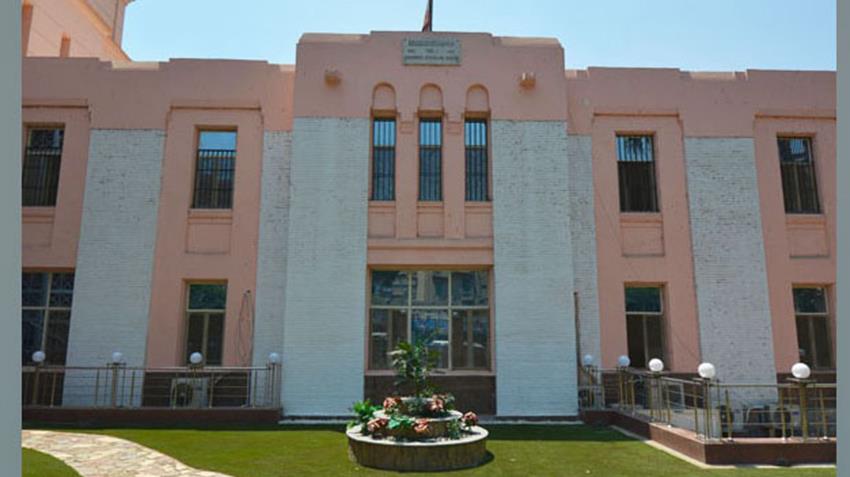
• The Memorial Institute for Ophthalmic Research, which witnesses the opening of a training and research center, an outpatient clinic, and a residence for doctors, is a historical medical edifice, and it was first established in 1913 in Assiut by Professor A.F. Maccallan, who is the discoverer of Trachoma and one of the greatest ophthalmologist of his time. The institute was moved after a year of its establishment to Giza, and it is currently in the same location to carry its scientific mission, bearing the responsibility of establishing similar institutes in many Egyptian governorates in a historical course, the effects of which are portrayed inside this unique museum that contains several medical equipment, surgical tools, samples and pathology slides that reflect the history of ophthalmology in Egypt and the world.
The institute has recently provided many ophthalmology services with its various surgical and specialized departments. Its development has also been completed and its efficiency has been raised so that it can serve 250,000 patients annually and provide monthly surgical services exceeding 1000 operations. The main goal of developing this institute is to provide the highest medical service to Egyptian patients and to reach the global level.


All rights reserved to the presidency Copyright © 2020
All rights reserved to the presidency Copyright © 2020