
All rights reserved to the presidency Copyright © 2020


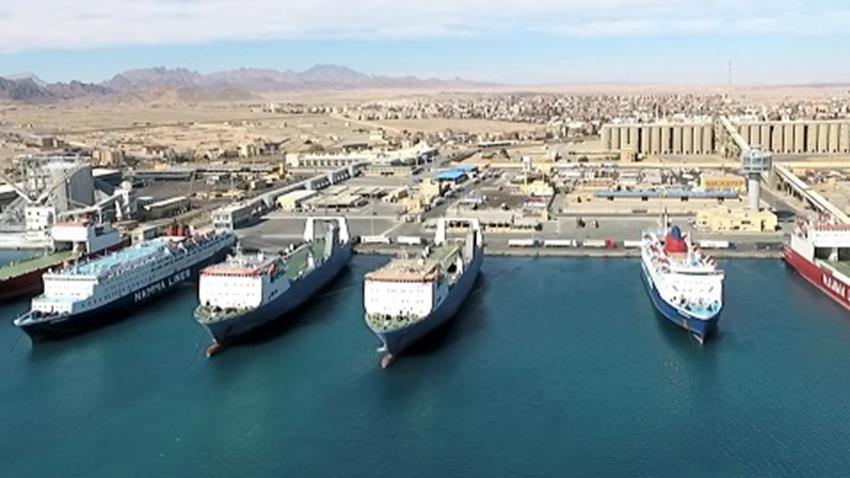
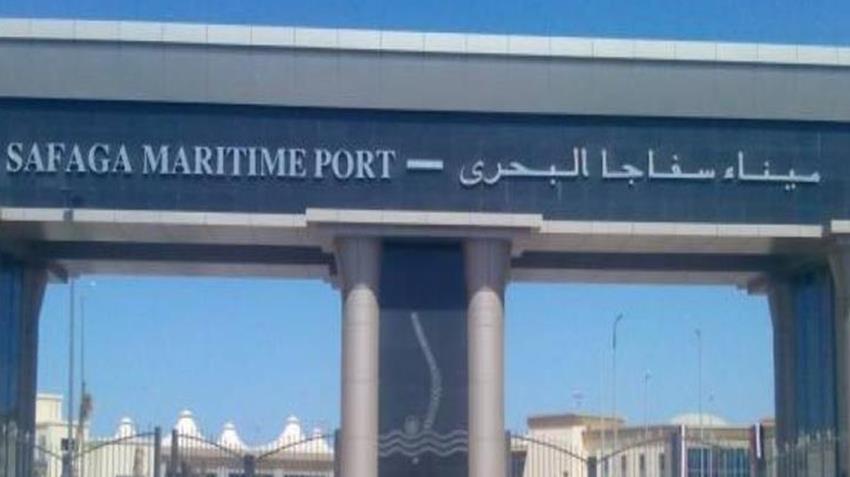
- Safaga port development project is considered as a dream that came true for the people of the South Valley and a qualitative leap in the modern means of transport of cargo and passengers. It serves the Upper Egypt governorates and will play a major role in the development of projects and investments which are implemented and those planned to be implemented in Upper Egypt after the incentives and investments granted to the remote areas.
- A passenger terminal was constructed with a total area of 12 thousand square meters for a capacity of 1.3 million passengers, an increase of 156% after the pre-development stage. It consists of a 3400 square meter arrival terminal for a capacity of 2000 passengers/ trip and an access lounge with an area of 3400 square meters and a capacity of 2000 passengers and (7) administrative and service buildings for the competent bodies of passengers in the port.
- A truck station with a total area of 100 thousand square meters has been constructed. It includes an area of 16,300 m2 for the export trucks and another of 16,000 m2 for import trucks, a space covered with metal umbrellas with an area of 8,200 m2, a logistic building with an area of 800 m2 and an administrative building with an area of 1200 m2. It also includes a drivers’ service office, a mosque, public restrooms and a cafeteria.
- An area of 14,000 square meters for the Carnet de Passages en Douane procedures has been established, with a capacity of 30,000 cars per year, an increase of 155 %, consisting of a space for cars seeking the Carnet and heavy-goods vehicles (inbound and outbound), provided with security, customs and traffic services, umbrellas, restrooms, cafeterias, banks and insurance and photography offices equipped with iron fences for the yard including the gates.
- A bridge for passengers with a total length of 500 m, connecting the terminal to the port was established. It is equipped with escalators, emergency stairs and moving walkways and fully covered with air conditioning and lighting units.
- The port has been supplied with (5) solar power plants with a capacity of 4 mega.
- A seawater desalination plant with a capacity of 500 m3 / day was constructed.
- An umbrella was built for buses on an area of 1780 m2 provided with the necessary services.
- New customs fences have been built at heights that are in line with security and customs requirements with a total length of 2025 m. The gates and customs outlets increased; four main gates, three emergency gates and a railways gate were built to separate passengers, trucks and administrative personnel from each other. The gates are provided with security and customs services.
- The port’s infrastructure has been upgraded. The main power outlet for the port is connected to the Safaga transformer station. It consists of 15 convertors with a total capacity of 16 megawatts, medium voltage network with a length of 7300 m long and a low voltage network of 22,000 m long, in addition to 80 low voltage plate (31) high-mast column and (223) light column and the use of headlamps all-saving and a light current network (telephones - information) is equipped with a length of 25 thousand linear meters.
- A sewage network of 5,600 m long with 6 septic tanks were installed. A water network of an area of 6900 m and a public water tank with a capacity of 1100 m3 in were established, in addition to the current reservoir with a capacity of 200 m3. In the same regard, the concrete road network with an area of 65 thousand square meters and an asphalt road network of 85 thousand square meters were established.
- The roads were coordinated and cultivated inside the port. It is worth mentioning that an area of 100,000 square meters was allocated from the Red Sea Governorate for the development of the port. The area of the port after the development process took place has become 825 thousand square meters, an increase of 185%. This additional area was planned and designed to be yards for trucks provided with security, customs, traffic and balances services offices, some administrative areas and logistics buildings.
- Safaga port development project is considered as a dream that came true for the people of the South Valley and a qualitative leap in the modern means of transport of cargo and passengers. It serves the Upper Egypt governorates and will play a major role in the development of projects and investments which are implemented and those planned to be implemented in Upper Egypt after the incentives and investments granted to the remote areas.
- A passenger terminal was constructed with a total area of 12 thousand square meters for a capacity of 1.3 million passengers, an increase of 156% after the pre-development stage. It consists of a 3400 square meter arrival terminal for a capacity of 2000 passengers/ trip and an access lounge with an area of 3400 square meters and a capacity of 2000 passengers and (7) administrative and service buildings for the competent bodies of passengers in the port.
- A truck station with a total area of 100 thousand square meters has been constructed. It includes an area of 16,300 m2 for the export trucks and another of 16,000 m2 for import trucks, a space covered with metal umbrellas with an area of 8,200 m2, a logistic building with an area of 800 m2 and an administrative building with an area of 1200 m2. It also includes a drivers’ service office, a mosque, public restrooms and a cafeteria.
- An area of 14,000 square meters for the Carnet de Passages en Douane procedures has been established, with a capacity of 30,000 cars per year, an increase of 155 %, consisting of a space for cars seeking the Carnet and heavy-goods vehicles (inbound and outbound), provided with security, customs and traffic services, umbrellas, restrooms, cafeterias, banks and insurance and photography offices equipped with iron fences for the yard including the gates.
- A bridge for passengers with a total length of 500 m, connecting the terminal to the port was established. It is equipped with escalators, emergency stairs and moving walkways and fully covered with air conditioning and lighting units.
- The port has been supplied with (5) solar power plants with a capacity of 4 mega.
- A seawater desalination plant with a capacity of 500 m3 / day was constructed.
- An umbrella was built for buses on an area of 1780 m2 provided with the necessary services.
- New customs fences have been built at heights that are in line with security and customs requirements with a total length of 2025 m. The gates and customs outlets increased; four main gates, three emergency gates and a railways gate were built to separate passengers, trucks and administrative personnel from each other. The gates are provided with security and customs services.
- The port’s infrastructure has been upgraded. The main power outlet for the port is connected to the Safaga transformer station. It consists of 15 convertors with a total capacity of 16 megawatts, medium voltage network with a length of 7300 m long and a low voltage network of 22,000 m long, in addition to 80 low voltage plate (31) high-mast column and (223) light column and the use of headlamps all-saving and a light current network (telephones - information) is equipped with a length of 25 thousand linear meters.
- A sewage network of 5,600 m long with 6 septic tanks were installed. A water network of an area of 6900 m and a public water tank with a capacity of 1100 m3 in were established, in addition to the current reservoir with a capacity of 200 m3. In the same regard, the concrete road network with an area of 65 thousand square meters and an asphalt road network of 85 thousand square meters were established.
- The roads were coordinated and cultivated inside the port. It is worth mentioning that an area of 100,000 square meters was allocated from the Red Sea Governorate for the development of the port. The area of the port after the development process took place has become 825 thousand square meters, an increase of 185%. This additional area was planned and designed to be yards for trucks provided with security, customs, traffic and balances services offices, some administrative areas and logistics buildings.


All rights reserved to the presidency Copyright © 2020
All rights reserved to the presidency Copyright © 2020